
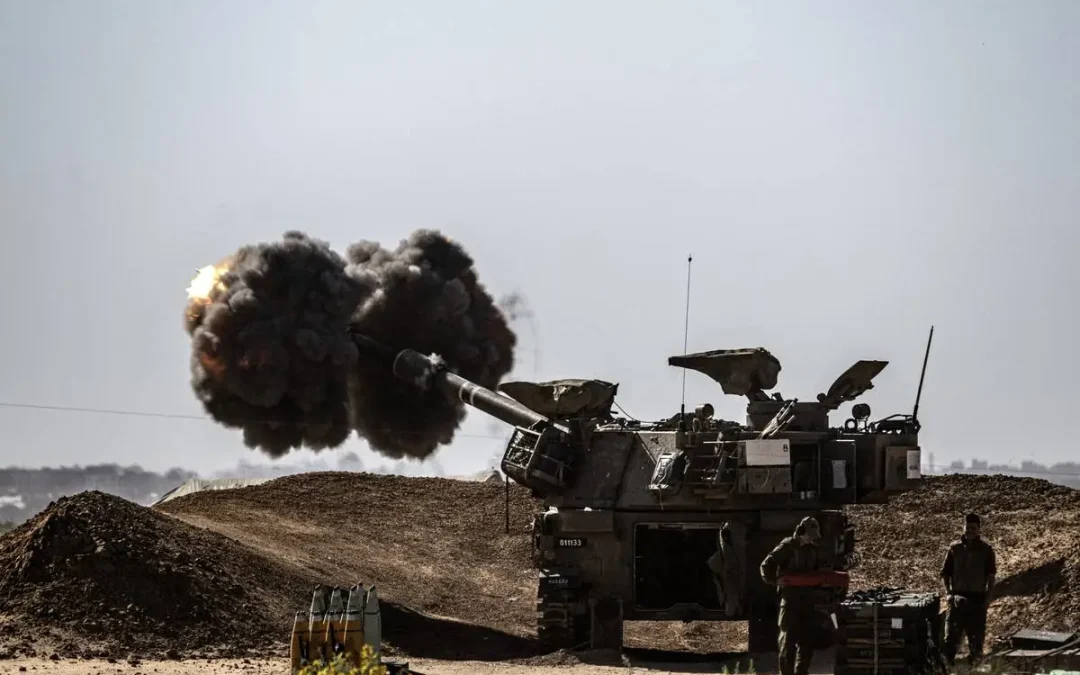
The statement “World Court set to rule on measures over Israel Rafah offensive” indicates that the International Court of Justice (ICJ) is preparing to issue a ruling regarding specific measures related to Israel’s military actions in Rafah. This situation has several important implications:
- ICJ’s Role and Authority:
- Judicial Body: The ICJ, as the principal judicial organ of the United Nations, has the authority to adjudicate disputes between states and issue advisory opinions on legal questions referred to it by the UN General Assembly, Security Council, or other UN bodies.
- Binding Nature: While ICJ rulings are binding on the parties involved, enforcement relies on the willingness of states to comply and the backing of the international community.
- Rafah Offensive Context:
- Location and Significance: Rafah is a city in the southern Gaza Strip, near the border with Egypt. It has been a hotspot in the Israeli-Palestinian conflict, often experiencing intense military activity.
- Military Actions: Israeli military operations in Rafah have been criticized for their impact on civilians, including casualties, destruction of homes, and disruptions to daily life.
- Expected Ruling:
- Measures and Recommendations: The ICJ ruling may include specific measures that Israel must take to address the consequences of its military actions in Rafah. These could range from cessation of certain activities to reparations for damages caused.
- Legal Justifications: The ruling will likely be based on international law, including humanitarian law and human rights law, assessing whether Israel’s actions complied with legal standards such as proportionality and necessity.
- Implications for Israel:
- Legal and Diplomatic Pressure: An adverse ruling could increase legal and diplomatic pressure on Israel to alter its military strategies and policies, particularly in densely populated areas like Rafah.
- Compliance Challenges: Israel may face challenges in balancing security concerns with compliance with international legal standards, especially if it views the measures as compromising its security.
- International Reactions:
- Global Response: The international community’s reaction to the ICJ ruling will be crucial. Supportive countries might push for enforcement through diplomatic channels, while others might resist or downplay the ruling.
- Impact on Israeli-Palestinian Conflict: The ruling could influence the broader dynamics of the conflict, potentially affecting peace negotiations and international efforts to mediate the situation.
- Potential Outcomes:
- Implementation of Measures: If the ruling includes actionable measures, their implementation could lead to changes on the ground in Rafah, improving the humanitarian situation.
- Further Legal Actions: The ruling might open the door to additional legal actions against Israel, either at the ICJ or through other international legal mechanisms like the International Criminal Court (ICC).
- Long-term Effects:
- Precedent Setting: The ruling could set a legal precedent for future cases involving military actions and their compliance with international law, influencing how states conduct operations in conflict zones.
- Accountability and Justice: By addressing the Rafah offensive, the ICJ ruling contributes to the broader efforts to hold states accountable for actions that violate international norms and to provide justice for affected populations.
In summary, the upcoming ICJ ruling on measures over Israel’s Rafah offensive represents a significant moment in the application of international law to the Israeli-Palestinian conflict. It highlights the ongoing efforts to ensure accountability and adherence to legal standards in military operations, with potential far-reaching implications for the conflict and international legal practices.
To read more detailed coverage check out the source of this news: