
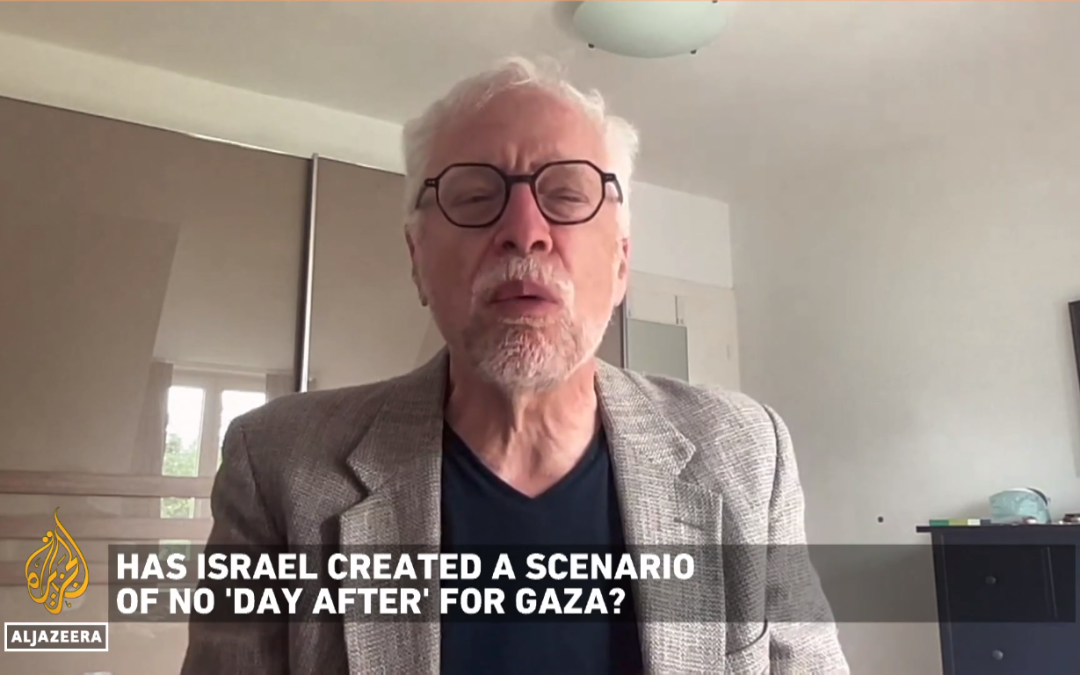
The question “What if Israel’s plan was no ‘day after’ for Gaza all along?” suggests a critical examination of Israel’s long-term strategy and intentions regarding Gaza. This hypothetical scenario implies that Israel’s actions and policies towards Gaza might be designed without consideration for a stable, peaceful future for the region. Here are several key points to consider when exploring this possibility:
- Historical Context:
- Conflict and Blockade: Gaza has been under blockade by Israel since 2007, following the takeover by Hamas. The blockade has restricted the movement of people and goods, leading to economic hardship and deteriorating living conditions.
- Military Operations: There have been multiple military operations in Gaza, with significant casualties and destruction, contributing to the instability and humanitarian crisis in the region.
- Security Concerns:
- Hamas and Militancy: Israel cites security concerns, including rocket attacks and militant activities by Hamas and other groups, as justification for its stringent policies towards Gaza. This security-first approach often prioritizes immediate threats over long-term stability.
- Buffer Zones: Israel has established buffer zones within Gaza, restricting access to certain areas to prevent attacks on Israeli territory. These zones further limit the space available for Palestinians and affect their livelihoods.
- Political Strategy:
- Disengagement: Israel’s unilateral disengagement from Gaza in 2005, which included the withdrawal of settlers and military presence, was seen by some as a move to avoid responsibility for Gaza’s governance while maintaining control over its borders and airspace.
- Two-State Solution: The ongoing conflict and lack of a comprehensive peace agreement complicate efforts toward a two-state solution, leaving Gaza in a state of limbo without clear prospects for sovereignty or integration.
- Humanitarian Impact:
- Living Conditions: Gaza faces severe humanitarian challenges, including shortages of water, electricity, medical supplies, and adequate housing. These conditions have led to widespread poverty and suffering.
- International Aid: Gaza relies heavily on international aid to meet basic needs, but the blockade and conflict often disrupt the delivery and effectiveness of this aid.
- International and Regional Reactions:
- Criticism and Support: Israel’s policies toward Gaza have been criticized by various international bodies and human rights organizations, calling for an end to the blockade and improved living conditions for Palestinians. Conversely, some countries support Israel’s right to self-defense and its security measures.
- Diplomatic Efforts: Efforts to mediate peace and improve the situation in Gaza involve multiple stakeholders, including neighboring countries, the United Nations, and other international organizations.
- Future Scenarios:
- Continued Status Quo: If the status quo continues without a long-term plan for Gaza’s future, the region may face ongoing cycles of violence, humanitarian crises, and political instability.
- Potential Resolutions: Sustainable solutions would require addressing security concerns, lifting the blockade, fostering economic development, and achieving a political agreement that includes Gaza’s role in the broader Palestinian statehood aspirations.
In summary, if Israel’s plan indeed lacks consideration for a stable future in Gaza, it implies a perpetuation of the current state of conflict and humanitarian crisis. Addressing these challenges would require significant shifts in policy, international intervention, and a commitment to long-term peace and development in the region.
To read more detailed coverage check out the source of this news: