
Overview
The United Nations Relief and Works Agency for Palestine Refugees in the Near East (UNRWA) has reported a concerning increase in communicable diseases in the Gaza Strip. This development highlights the deteriorating humanitarian situation in the region, exacerbated by longstanding socio-economic challenges and recent escalations of violence.
Background
Gaza, home to a dense population of Palestinian refugees, has faced persistent hardships, including limited access to essential services, inadequate infrastructure, and ongoing Israeli blockade measures. These conditions have contributed to a fragile healthcare system and heightened vulnerability to disease outbreaks.
Rise in Communicable Diseases
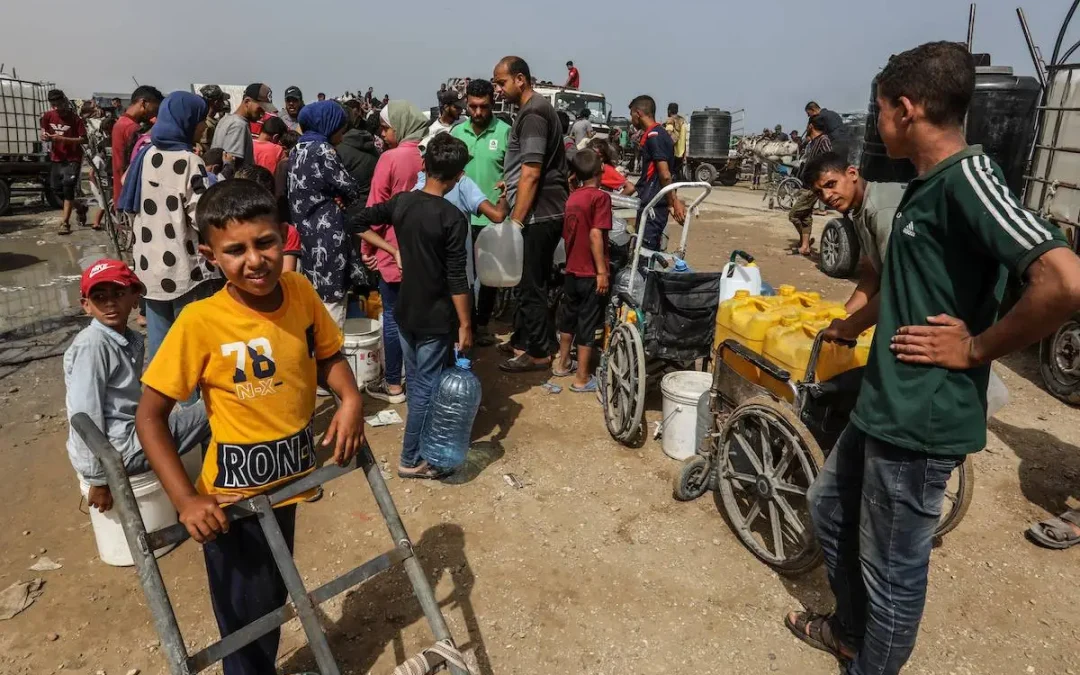
UNRWA’s recent findings indicate a surge in communicable diseases within Gaza, including cases of respiratory infections, gastrointestinal illnesses, and other contagious conditions. Factors such as overcrowded living conditions, insufficient sanitation facilities, and disruptions to healthcare services due to conflict-related restrictions have facilitated the spread of diseases.
Impact of Conflict and Blockade
The recent escalations of violence between Israeli forces and Palestinian militant groups have further strained Gaza’s healthcare infrastructure and exacerbated humanitarian needs. Access to medical supplies, including vaccines and essential medications, has been impeded by restrictions on the movement of goods and people imposed by Israeli authorities.
Humanitarian Response
UNRWA and other humanitarian organizations are working to address the healthcare challenges in Gaza by providing medical assistance, including treatment for infectious diseases, vaccinations, and support for healthcare facilities. However, ongoing funding shortages and logistical constraints hinder the scale and effectiveness of these efforts.
Call for Action
The worsening health situation in Gaza underscores the urgent need for concerted international action to alleviate humanitarian suffering and address the underlying causes of the crisis. Calls for the lifting of restrictions on the movement of goods and people, increased humanitarian aid, and diplomatic efforts to achieve a durable ceasefire and long-term resolution to the Israeli-Palestinian conflict are crucial.
Conclusion
The rise in communicable diseases in Gaza reflects the cumulative impact of protracted conflict, blockade measures, and socio-economic deprivation on the health and well-being of the population. As the humanitarian situation continues to deteriorate, sustained attention and support from the international community are essential to prevent further suffering and mitigate the risks posed by disease outbreaks in the region.
To read more detailed coverage check out the source of this news:
https://www.middleeastmonitor.com/20240524-unrwa-communicable-diseases-on-the-rise-in-gaza/