
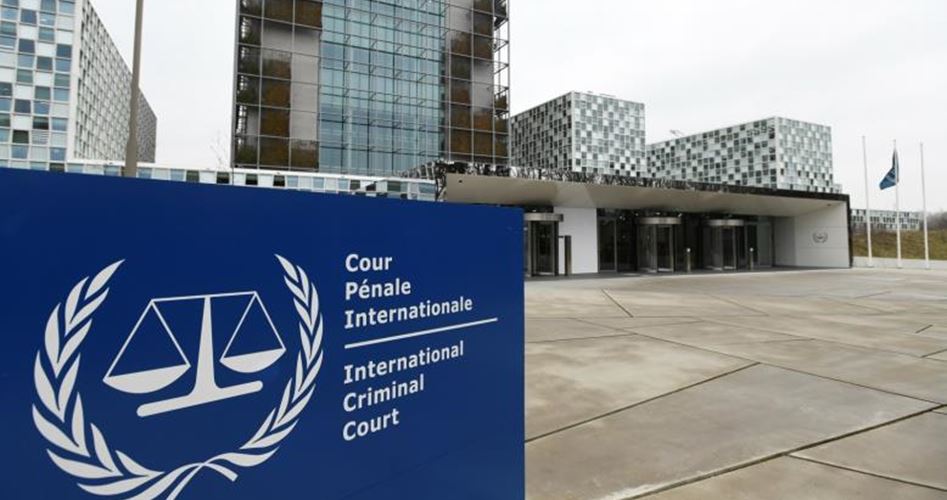
Spain has requested on Friday evening to join the case filed by South Africa at the International Court of Justice, which accuses Israel of violating its obligations under the Genocide Convention in its war on the Gaza Strip.
Spain’s announcement came shortly after Turkey announced it would also join the world’s court.
South Africa brought its case against Israel in late December, accusing it of committing genocide against Palestinians in the besieged territory.
Spain’s decision to join South Africa in a genocide case against Israel is a significant legal and diplomatic development. Here are some key points to understand the context and implications of this move:
Background
- South Africa’s Case: South Africa has initiated a case against Israel, alleging genocide against Palestinians. This case likely stems from accusations related to Israel’s military actions and policies in the Palestinian territories, which some parties describe as amounting to genocide.
- International Legal Framework: The case will presumably be brought before the International Criminal Court (ICC) or another relevant international tribunal. Genocide is defined under international law by the 1948 Convention on the Prevention and Punishment of the Crime of Genocide, which includes acts committed with intent to destroy, in whole or in part, a national, ethnical, racial, or religious group.
Spain’s Involvement
- Legal Standing: By joining the case, Spain is aligning itself with South Africa’s legal arguments and claims. This move suggests that Spain believes there is sufficient evidence to support the allegations and that it sees the case as meritorious.
- Diplomatic Signal: Spain’s decision can be seen as a diplomatic statement. It indicates a stance on the Israeli-Palestinian conflict that is critical of Israeli actions and supportive of Palestinian claims. This could have broader implications for Spain’s foreign relations, particularly with Israel and other countries in the region.
Implications
- Legal Proceedings: Spain joining the case could lend it greater legitimacy and potentially increase the pressure on international legal bodies to thoroughly investigate the allegations. The involvement of more countries might also affect the resources and attention devoted to the case.
- Political Repercussions: This move could strain Spain’s diplomatic relations with Israel. It may also influence Spain’s relations with other EU countries, the United States, and Middle Eastern nations, depending on their respective stances on the Israeli-Palestinian conflict.
- Human Rights Discourse: Spain’s participation in the case may contribute to the broader international discourse on human rights and accountability in conflict zones. It underscores the role of international law in addressing alleged war crimes and crimes against humanity.
Conclusion
Spain’s decision to join South Africa’s genocide case against Israel represents a significant development in international legal and diplomatic arenas. It underscores the ongoing tensions and complexities surrounding the Israeli-Palestinian conflict and highlights the role of international law in addressing allegations of severe human rights violations. The outcome of this case could have far-reaching consequences for all parties involved.
To read more detailed coverage check out the source of this news: