
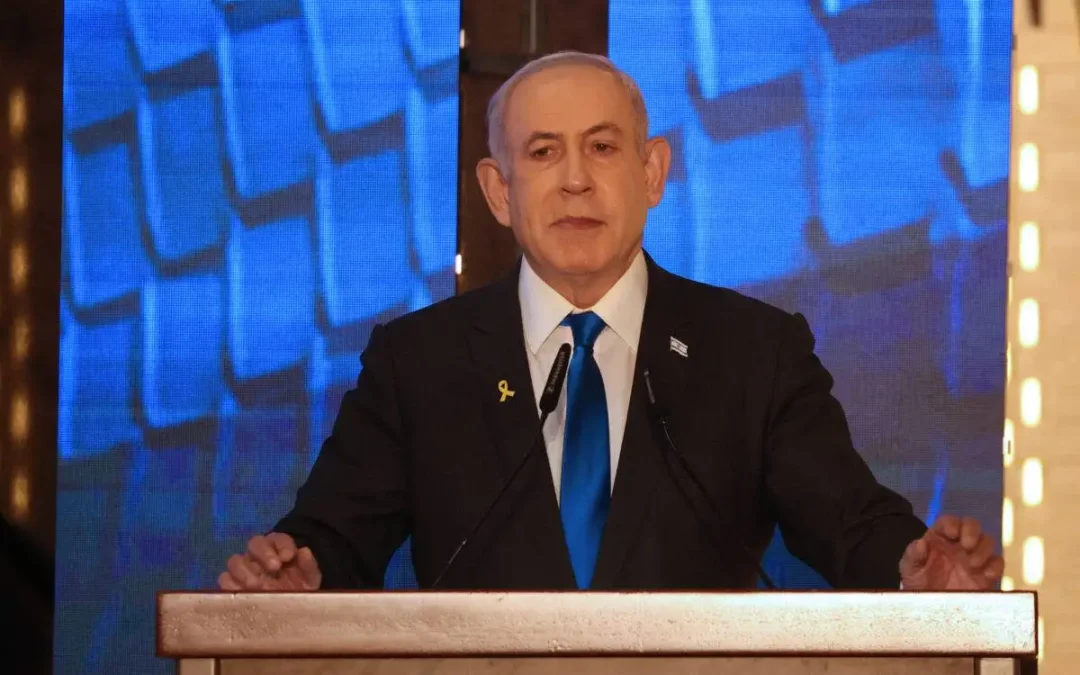
Netanyahu’s assertion that there is no humanitarian crisis in Rafah is likely to be met with skepticism, especially considering the longstanding challenges faced by Palestinians in the Gaza Strip. Rafah, a city in southern Gaza near the Egyptian border, has been heavily impacted by the Israeli blockade and periodic military incursions.
The reality on the ground tells a different story. Gaza has been described by numerous international organizations, including the United Nations, as facing a dire humanitarian situation, exacerbated by the blockade imposed by Israel and Egypt. This blockade restricts the movement of goods and people, severely limiting access to essential resources such as food, medicine, and clean water. Infrastructure in Gaza, including power and sanitation systems, has also been severely degraded, further exacerbating the humanitarian crisis.
In Rafah specifically, residents have faced challenges related to access to healthcare, education, and employment opportunities due to the ongoing blockade and periodic military operations. Reports from humanitarian organizations and journalists on the ground often highlight the difficult living conditions experienced by Palestinians in Rafah and throughout Gaza.
Netanyahu’s statement appears to downplay the severity of the situation in Rafah and Gaza more broadly, potentially deflecting attention from Israel’s role in perpetuating the humanitarian crisis. It underscores the need for independent, impartial assessments of the situation on the ground and for international efforts to address the root causes of the crisis, including the lifting of the blockade and the promotion of a just and lasting resolution to the Israeli-Palestinian conflict.
To read more detailed coverage check out the source of this news:
https://www.middleeastmonitor.com/20240515-no-humanitarian-crisis-in-rafah-israels-netanyahu-claims/