
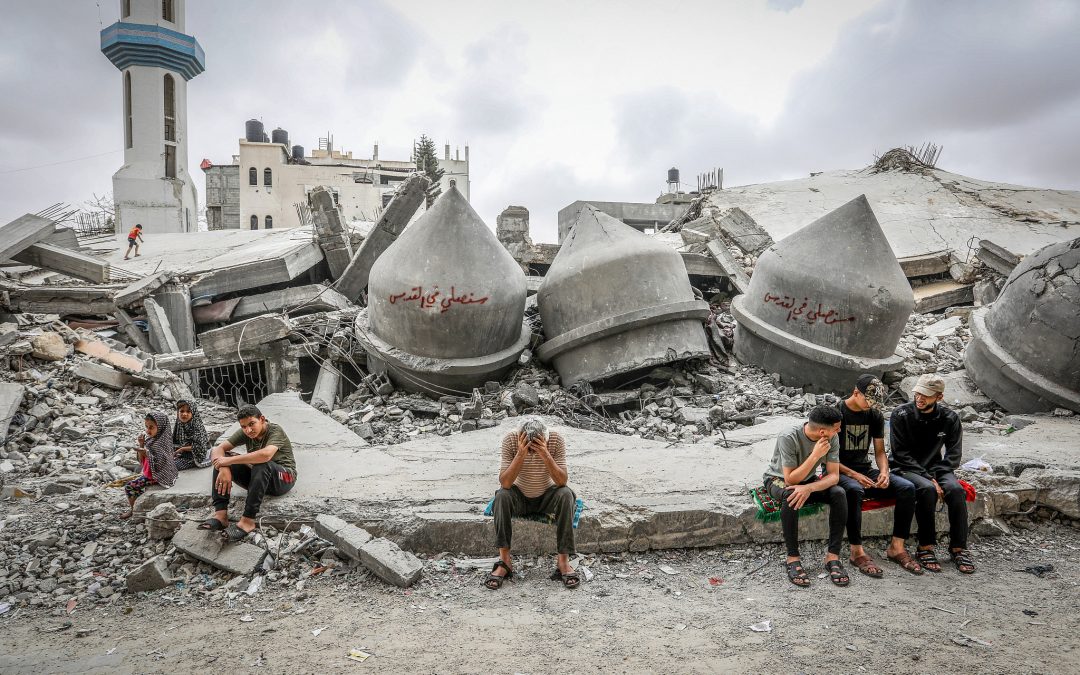
The statement by the MSF (Médecins Sans Frontières/Doctors Without Borders) chief, warning that the Israeli operation threatens to “turn Rafah into a graveyard,” highlights the grave humanitarian concerns surrounding the conflict in Gaza.
The characterization of the situation in Rafah as potentially leading to a graveyard underscores the devastating impact of the Israeli military operation on civilian lives and infrastructure. It reflects the urgent need for the protection of civilians and respect for international humanitarian law, particularly the principles of proportionality and distinction between military and civilian targets.
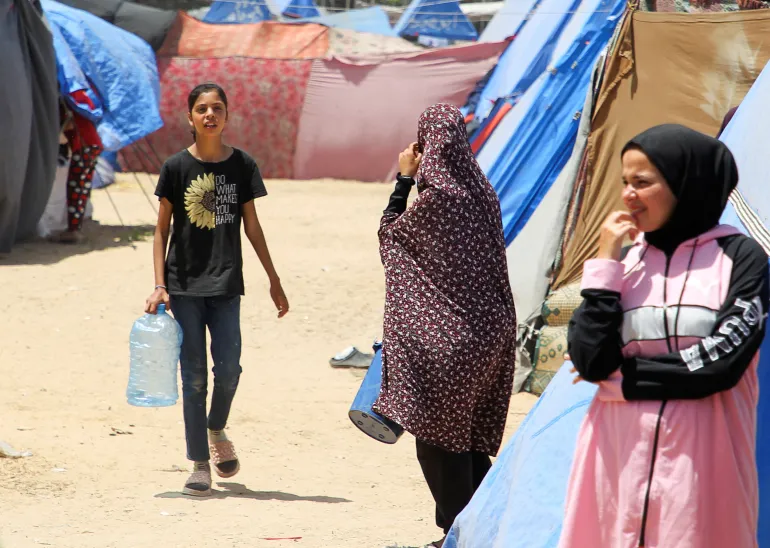
The warning from MSF adds to a chorus of international voices expressing alarm at the escalating violence and humanitarian crisis in Gaza. It underscores the urgent need for an immediate ceasefire and diplomatic efforts to address the root causes of the conflict and alleviate the suffering of civilians caught in the crossfire.
Moreover, the statement serves as a reminder of the critical role of humanitarian organizations like MSF in providing lifesaving medical assistance and support to populations affected by conflict. It highlights the challenges faced by aid workers operating in conflict zones and the importance of ensuring their safety and access to populations in need.
Overall, the warning from MSF’s chief underscores the severity of the situation in Rafah and the urgent need for concerted international action to prevent further loss of life and alleviate the humanitarian crisis in Gaza.
Israel’s military onslaught against Rafah, where “more than 1.5 million civilians are crowded into a narrow sliver of land”, risks turning the former refuge for civilians “into a graveyard”, said Avril Benoit, the executive director of Doctors Without Borders, known by its French initials MSF.
Benoit said in a post on social media that “a further military escalation in Rafah would be a direct attack on a trapped population”, and Israel must immediately halt its plans.
A military escalation in Rafah “would crush an already fragile humanitarian response at a time when health and humanitarian needs are soaring”, Benoit said.
“For seven months, we have witnessed the indiscriminate killing of civilians, attacks on aid workers – including our own staff – the destruction of medical facilities, and the obstruction of lifesaving assistance,” the MSF chief said in a statement.
“We cannot imagine what a further escalation of this conflict would mean for people who have already suffered so much in this war without rules”.
To read more detailed coverage check out the source of this news: