
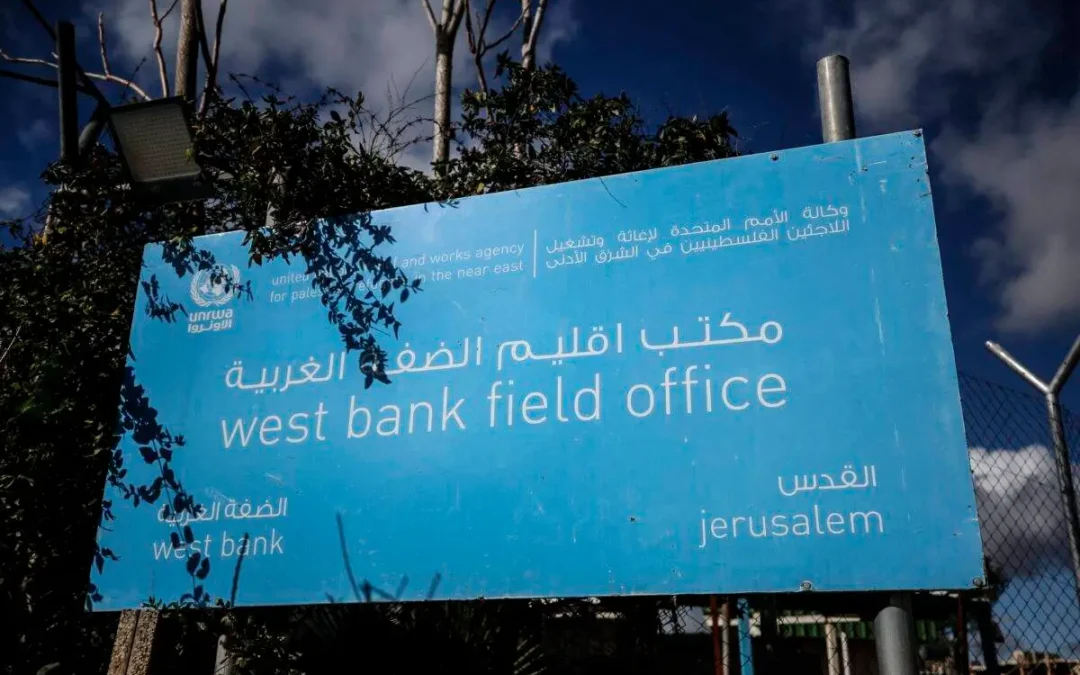
In a significant development, Israel has requested that the United Nations Relief and Works Agency for Palestine Refugees in the Near East (UNRWA) vacate its headquarters in East Jerusalem. This move adds to the already tense and complex situation in the region, with potential implications for humanitarian efforts and diplomatic relations.
Key Points
- Israel’s Request: The Israeli government has formally asked UNRWA to leave its East Jerusalem headquarters. The reasons behind this request are not entirely clear but may be linked to broader political and strategic objectives concerning East Jerusalem and the status of Palestinian refugees.
- UNRWA’s Role: UNRWA provides essential services to Palestinian refugees, including education, healthcare, and emergency assistance. Its presence in East Jerusalem is a critical part of its operations, supporting thousands of Palestinians in the area.
- Impact on Humanitarian Efforts: The expulsion of UNRWA from its headquarters could disrupt the agency’s ability to deliver aid and services effectively. This could exacerbate the humanitarian situation for Palestinian refugees who rely on UNRWA’s support.
- International Response: This development is likely to draw significant international attention and criticism. Various countries and international organizations may respond, calling for the protection of UNRWA’s operations and condemning actions that undermine humanitarian assistance.
- Tensions in East Jerusalem: East Jerusalem remains a highly contentious area, with ongoing disputes over sovereignty and control. Israel’s actions regarding UNRWA may be seen as part of broader efforts to assert its authority in East Jerusalem, which Palestinians view as the capital of a future Palestinian state.
Context and Background
- UNRWA’s Establishment: Established in 1949, UNRWA is tasked with supporting Palestinian refugees in Jordan, Lebanon, Syria, the Gaza Strip, and the West Bank, including East Jerusalem. The agency operates numerous schools, health centers, and relief services across these regions.
- Recent Developments: The request for UNRWA to leave its East Jerusalem headquarters comes amid heightened tensions and violence in the region. There have been increased clashes, military operations, and political disputes that have intensified the humanitarian needs of the population.
- Political Implications: Israel’s request can be interpreted as part of its broader strategy to limit the influence of international organizations perceived as sympathetic to Palestinian claims. It also underscores the ongoing dispute over the status of Jerusalem.
Potential Implications
- Humanitarian Crisis: Disrupting UNRWA’s operations could lead to a worsening humanitarian crisis for Palestinian refugees, affecting access to education, healthcare, and basic needs.
- Diplomatic Fallout: This move could strain Israel’s relations with other countries, particularly those that strongly support UNRWA and Palestinian rights. It may lead to diplomatic protests and increased international scrutiny.
- Regional Stability: The situation in East Jerusalem is a flashpoint for broader Israeli-Palestinian tensions. Actions perceived as undermining Palestinian rights and international efforts could lead to further unrest and instability.
Conclusion
Israel’s request for UNRWA to vacate its East Jerusalem headquarters is a significant and controversial development that could have far-reaching humanitarian and political consequences. The disruption of essential services provided by UNRWA could exacerbate the plight of Palestinian refugees, while the move is likely to provoke international condemnation and diplomatic tensions. As the situation unfolds, the focus will be on how the international community responds and what steps are taken to mitigate the impact on vulnerable populations in East Jerusalem.
To read more detailed coverage check out the source of this news: