
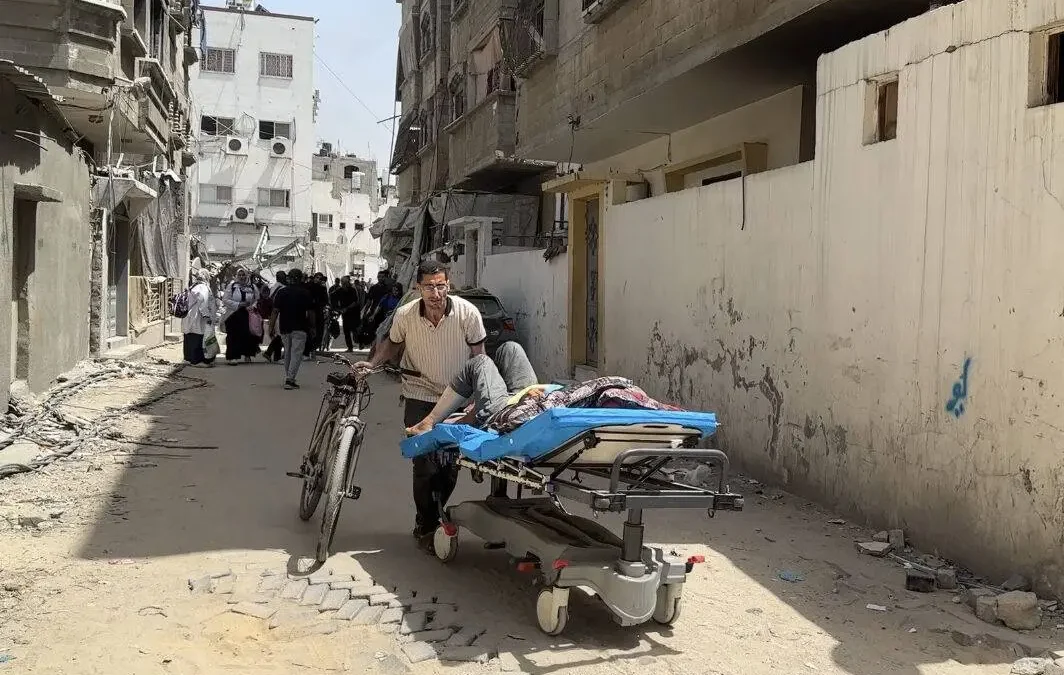
Israeli Tanks Reach Western Rafah Where ‘Congested Mass of People’ Live: Aid Worker
In a concerning development, Israeli tanks have reportedly reached western Rafah, an area densely populated with civilians, according to accounts from aid workers on the ground. This escalation of military presence in a heavily populated area raises serious concerns about the safety and well-being of the civilian population caught in the crossfire of the conflict.
Implications of Military Presence
The presence of Israeli tanks in western Rafah poses significant risks to the local population:
- Threat to Civilians: The proximity of military assets to densely populated areas increases the likelihood of civilian casualties and collateral damage in the event of hostilities.
- Displacement and Humanitarian Crisis: The looming threat of violence may force residents to flee their homes, exacerbating an already dire humanitarian situation in Gaza. Displacement would strain existing resources and infrastructure, leaving vulnerable populations at even greater risk.
- Psychological Impact: The constant presence of military forces heightens fear and anxiety among residents, particularly children, who are disproportionately affected by the trauma of conflict.
- Obstacles to Aid Delivery: The military presence may impede humanitarian organizations’ ability to deliver critical aid and assistance to those in need, further exacerbating the suffering of the civilian population.
International Concerns
The situation in western Rafah has drawn international attention and condemnation:
- Calls for Restraint: International actors, including humanitarian organizations and foreign governments, have called for restraint and de-escalation to prevent further violence and protect civilian lives.
- Urgent Diplomatic Efforts: Diplomatic efforts are underway to negotiate a ceasefire and address the root causes of the conflict. The international community is actively engaged in mediation efforts to bring about a peaceful resolution to the crisis.
Humanitarian Response
Humanitarian organizations are mobilizing to provide assistance to those affected by the conflict:
- Emergency Aid: Aid agencies are working to provide emergency relief, including food, shelter, and medical supplies, to affected populations in Rafah and other conflict-affected areas.
- Protection Measures: Efforts are underway to protect civilians, particularly vulnerable groups such as women, children, and the elderly, from harm and displacement.
Conclusion
The presence of Israeli tanks in western Rafah underscores the urgent need for a peaceful resolution to the conflict and the protection of civilian lives. As diplomatic efforts continue, it is imperative that all parties prioritize the safety and well-being of civilians and adhere to international humanitarian law. The international community must remain vigilant in its efforts to alleviate the suffering of those caught in the midst of this devastating crisis.
To read more detailed coverage check out the source of this news: