
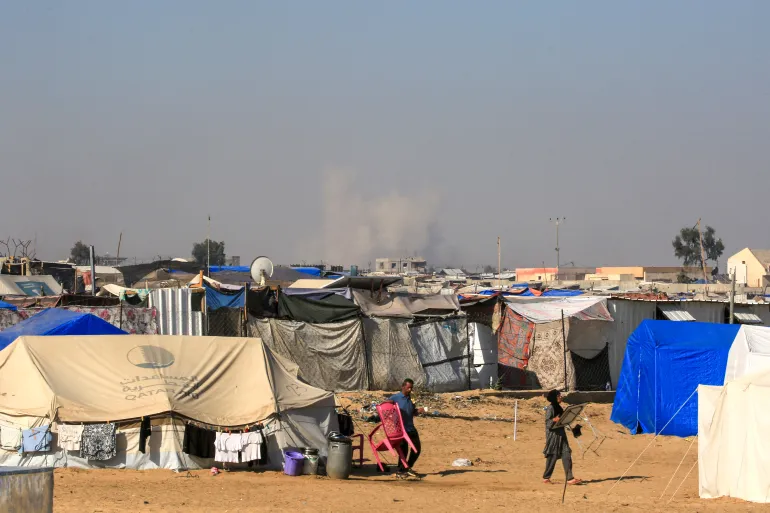
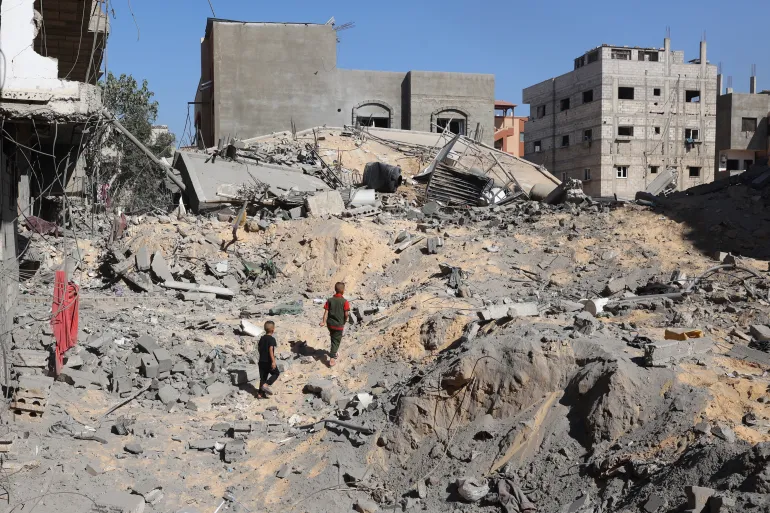
The Israeli military bombardments in southern Gaza have led to extensive destruction, turning cities in the region into rubble. This development is part of the broader conflict, which has seen intense military action and significant civilian suffering.
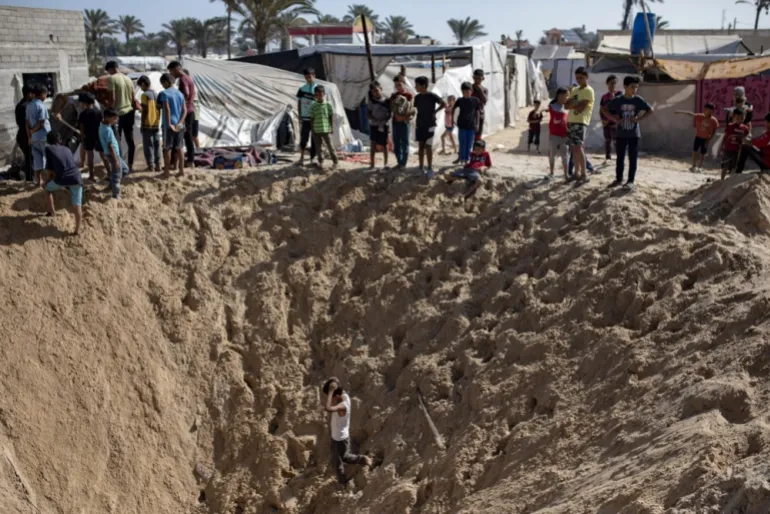
Key points related to this situation include:
- Scale of Destruction: The bombardments have caused widespread damage to buildings and infrastructure in southern Gaza cities. Residential areas, commercial properties, and public facilities have been severely affected, leaving many areas uninhabitable.
- Humanitarian Impact: The destruction has displaced thousands of residents, forcing them to seek shelter in overcrowded and often unsafe conditions. The loss of homes and essential services has exacerbated the humanitarian crisis in Gaza, with shortages of food, water, and medical supplies becoming increasingly acute.
- Casualties and Injuries: The bombardments have resulted in significant casualties, including both civilians and combatants. The high density of Gaza’s population means that military strikes often have devastating effects on civilian life.
- Infrastructure Collapse: Key infrastructure, including roads, electricity, water, and sanitation systems, has been damaged or destroyed. This collapse has hampered rescue and relief efforts, further complicating the situation for those affected.
- International Response: The international community has expressed concern over the escalation of violence and the humanitarian impact on Gaza’s population. Calls for a ceasefire, protection of civilians, and adherence to international humanitarian law have been made by various countries and international organizations.
- Long-term Consequences: The destruction in southern Gaza will have long-term consequences for the region’s recovery and rebuilding efforts. The loss of homes, businesses, and infrastructure will take years to repair, and the psychological impact on the population, particularly children, will be profound.
- Political and Diplomatic Implications: The ongoing conflict and the resulting destruction have significant political and diplomatic implications, influencing international relations and potentially leading to increased efforts for peace negotiations or further international interventions.
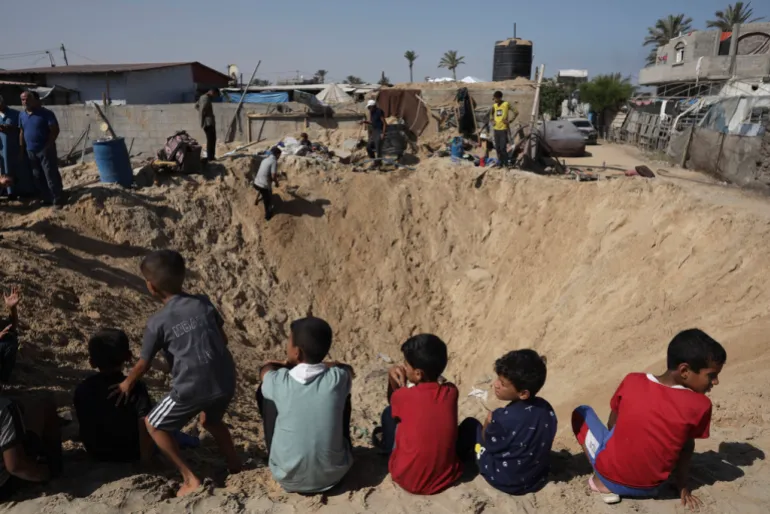
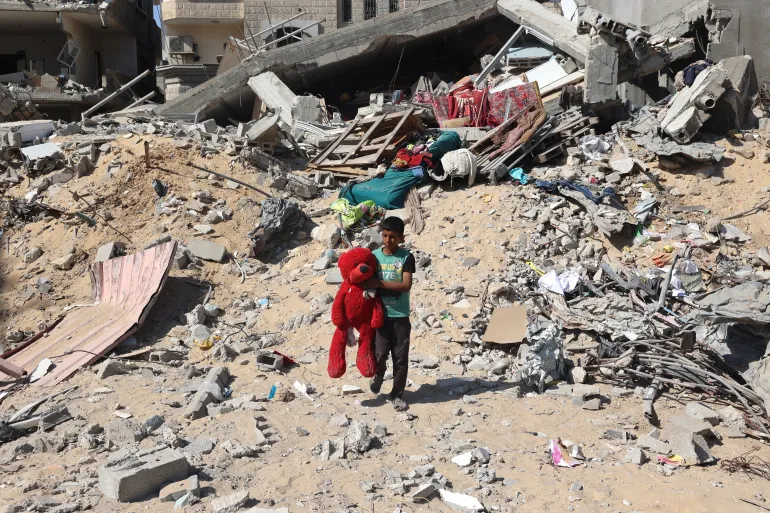
This situation highlights the urgent need for de-escalation and a comprehensive approach to address both the immediate humanitarian needs and the underlying causes of the conflict to prevent further destruction and suffering.
To read more detailed coverage check out the source of this news: