
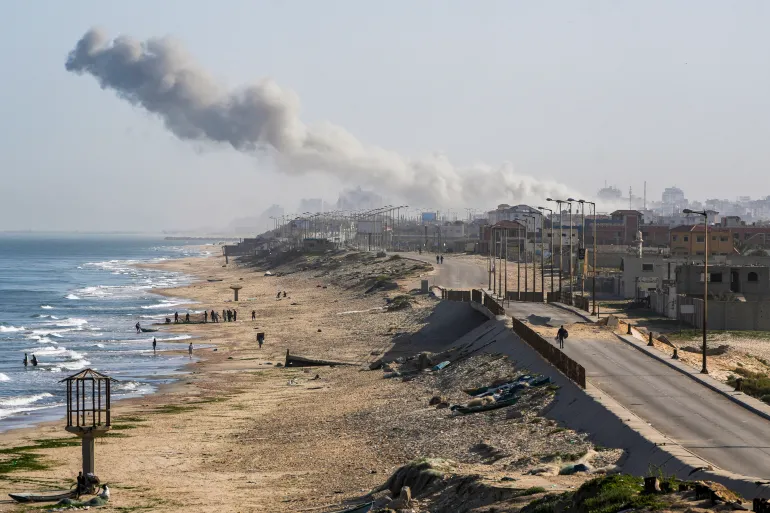
In the aftermath of a devastating six-month war, Gaza has become a series of “kill zones” within a broader zone of destruction. Recent drone footage captured a chilling incident in Khan Younis where unarmed pedestrians were systematically targeted and killed by Israeli airstrikes. These so-called “kill zones,” while not officially documented, operate with little oversight, allowing commanders to designate areas where anyone entering, even unarmed civilians, can be shot on sight. The Israeli military’s claim that a significant portion of those killed were “terrorists” is met with skepticism, as it appears civilians are being labeled as such merely for being in designated zones. The situation underscores the disregard for civilian lives in Gaza, where even places like hospitals and UN shelters are not safe from attacks. Despite Israel’s claims of precision strikes, the high civilian casualty count raises questions about the deliberate targeting of non-combatants, suggesting a pattern of indiscriminate violence reminiscent of genocide. As Gaza continues to suffer, Israel’s control over the narrative of terrorism complicates efforts to address the ongoing humanitarian crisis.
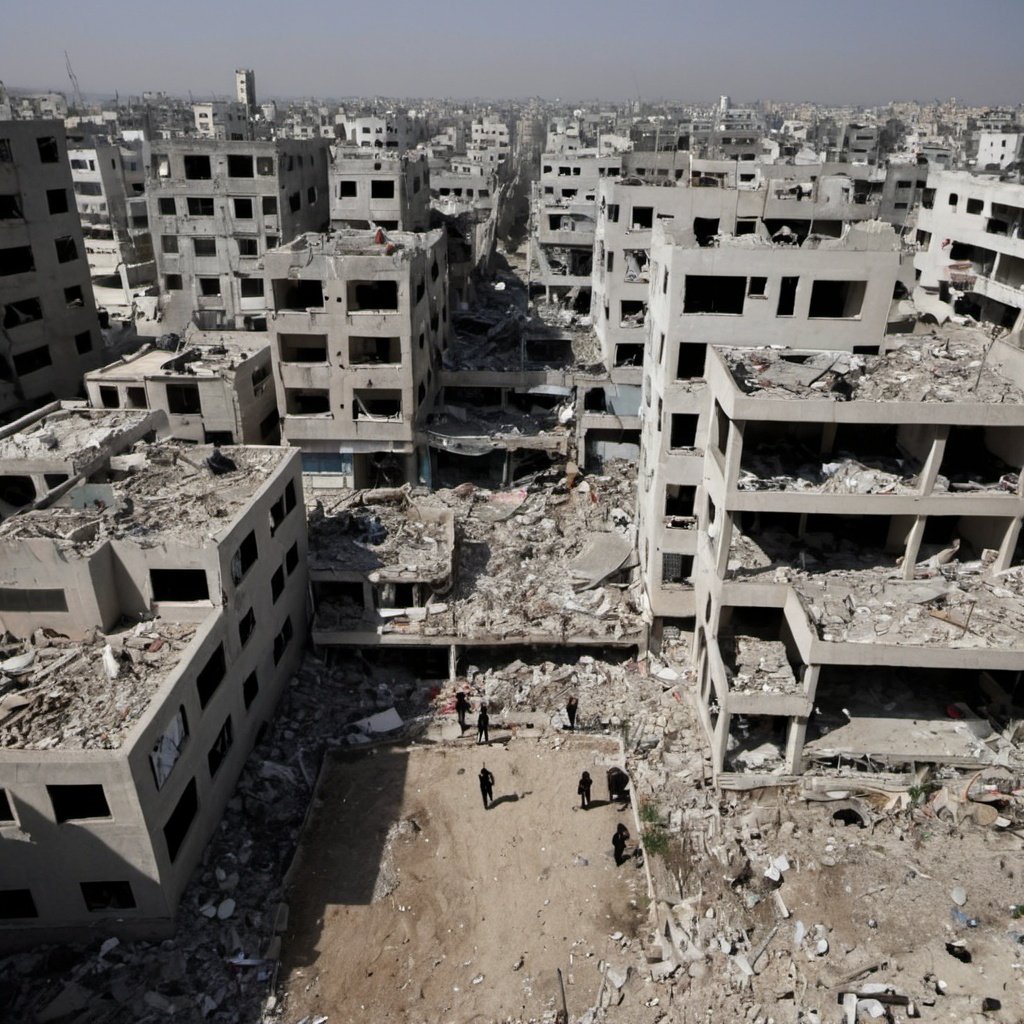
The absence of clear guidelines on “kill zones” allows for the arbitrary designation of areas where civilians face imminent danger. Despite denial from Israeli military spokespersons, the reality on the ground paints a grim picture of indiscriminate violence. The targeting of unarmed civilians raises serious concerns about the ethics of warfare and the protection of civilian lives. The staggering number of casualties, including thousands of children, underscores the humanitarian catastrophe unfolding in Gaza. Israel’s narrative of surgical precision strikes is challenged by the widespread destruction and loss of innocent lives. The dehumanization of Palestinians as “terrorists” further perpetuates a cycle of violence and oppression. The international community’s response to the crisis in Gaza has been criticized for its failure to hold Israel accountable for its actions. Human rights organizations have called for investigations into potential war crimes committed during the conflict. The plight of Palestinians in Gaza serves as a stark reminder of the urgent need for a peaceful resolution to the Israeli-Palestinian conflict. As the violence continues unabated, the prospects for lasting peace in the region remain uncertain.
In conclusion, the situation in Gaza, characterized by the establishment of “kill zones” and indiscriminate violence against civilians, represents a dire humanitarian crisis. The lack of accountability for potential war crimes and the failure of the international community to intervene effectively exacerbate the suffering of Palestinians.
Israel’s narrative of precision strikes is contradicted by the overwhelming evidence of civilian casualties and widespread destruction. The dehumanization of Palestinians as “terrorists” perpetuates a cycle of violence, hindering prospects for peace in the region. Urgent action is needed to address the root causes of the illegal Israeli occupation and to ensure the protection of civilian lives in Gaza.
Only through meaningful dialogue, accountability, and a commitment to human rights can a just and lasting solution be achieved for the people of Gaza and the end of illegal Israeli occupation of Palestine.