
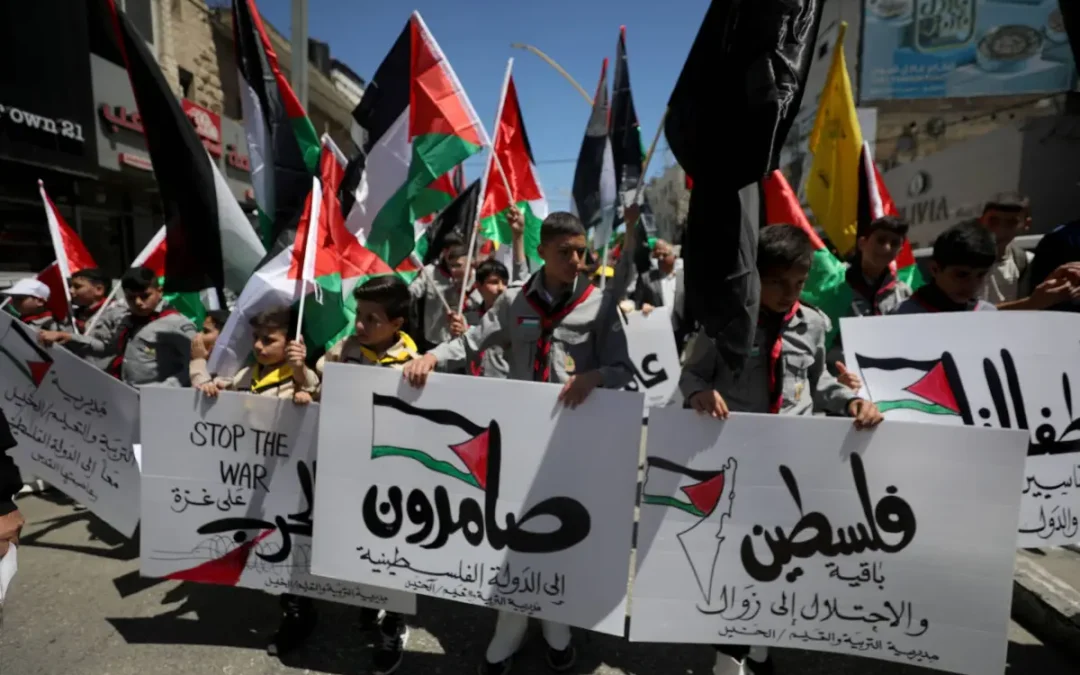
The assertion that the Gaza genocide is the second Nakba, but even worse, underscores the gravity of the humanitarian crisis unfolding in Gaza and its devastating impact on the Palestinian people.
While the Nakba was a catastrophic event marked by the forced displacement of Palestinians in 1948, the ongoing situation in Gaza represents a continuation and escalation of that suffering. The term “genocide” carries profound moral and legal implications, emphasizing the severity of the violence and destruction experienced by Gazans.
It underscores the urgent need for the international community to address the root causes of the conflict, end the cycle of violence, and ensure accountability for human rights abuses. The comparison highlights the ongoing trauma and displacement endured by Palestinians, as well as the urgent need for a just and sustainable resolution to the Israeli-Palestinian conflict.
It also serves as a reminder of the responsibility of all parties involved to respect the rights and dignity of all individuals affected by the conflict and to work towards a future of peace, justice, and equality for Palestinians and Israelis alike.
The characterization of the Gaza genocide as the second Nakba, but even worse, reflects the profound suffering and loss experienced by Palestinians in the region. The term “genocide” evokes the deliberate and systematic destruction of a group, highlighting the severity of the violence and human rights violations perpetrated against the people of Gaza. This comparison underscores the continuation of historical injustices and the ongoing struggle for Palestinian rights and self-determination.
The situation in Gaza represents a humanitarian crisis of immense proportions, with widespread devastation, displacement, and loss of life. The systematic targeting of civilian infrastructure, including homes, schools, and hospitals, has led to immense human suffering and displacement. The blockade imposed on Gaza exacerbates the crisis, limiting access to essential goods and services and perpetuating a cycle of poverty and deprivation.
The comparison to the Nakba, which refers to the mass expulsion of Palestinians from their homeland in 1948, highlights the enduring nature of Palestinian dispossession and displacement. It emphasizes the urgent need for the international community to address the root causes of the conflict, uphold international law, and hold perpetrators of human rights abuses accountable.
Ultimately, the characterization of the Gaza genocide as the second Nakba serves as a stark reminder of the ongoing struggle for justice and dignity for the Palestinian people. It calls for solidarity, action, and a renewed commitment to achieving a just and lasting resolution to the Israeli-Palestinian conflict.
To read more detailed coverage check out the source of this news:
https://www.middleeastmonitor.com/20240515-gaza-genocide-is-second-nakba-but-even-worse/