
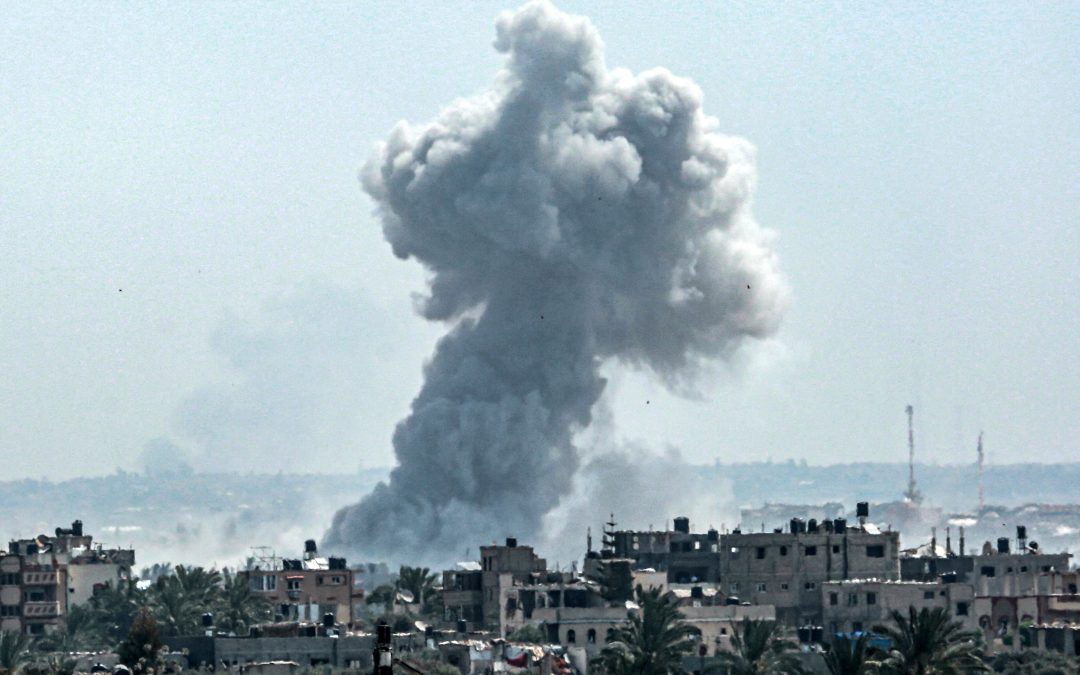
In the ongoing conflict between Israel and Gaza, the term “fire and forget” has gained prominence, encapsulating a military strategy that raises significant ethical and humanitarian concerns. This approach, characterized by the use of advanced weaponry with limited human oversight, has profound implications for the conduct of warfare and the protection of civilian lives.
The concept of “fire and forget” refers to weapons systems equipped with autonomous or semi-autonomous capabilities, allowing them to be launched towards a target with minimal human intervention. These weapons are designed to track and engage targets with high precision, purportedly minimizing collateral damage and enhancing operational efficiency.
While proponents argue that “fire and forget” technology can reduce the risk to military personnel and improve the effectiveness of military operations, critics raise serious questions about its implications for civilian populations. In densely populated areas like Gaza, where civilians are inevitably caught in the midst of conflict, the use of such weapons raises the risk of indiscriminate harm and civilian casualties.
One of the primary concerns surrounding “fire and forget” technology is its potential to exacerbate the asymmetry of power between warring parties. In conflicts where one side possesses advanced military capabilities, the deployment of autonomous weapons systems can further tilt the balance of power, leaving civilians in vulnerable communities at greater risk of harm.
Moreover, the use of “fire and forget” technology raises ethical dilemmas regarding accountability and human oversight in the conduct of warfare. With reduced human involvement in the decision-making process, there is a risk of dehumanizing the act of war and diminishing the moral responsibility inherent in the use of lethal force.
In the context of Gaza, where civilian infrastructure is already strained and the humanitarian situation precarious, the reliance on “fire and forget” weapons exacerbates the suffering of innocent civilians. The potential for unintended consequences and disproportionate harm underscores the urgent need for greater transparency, accountability, and adherence to international humanitarian law.
As the conflict in Gaza continues unabated, the use of “fire and forget” technology serves as a stark reminder of the complex ethical and moral challenges inherent in modern warfare. Moving forward, it is imperative for the international community to engage in meaningful dialogue and action to address these concerns and uphold the principles of humanity and justice in times of conflict.
To read more detailed coverage check out the source of this news:
https://www.aljazeera.com/opinions/2024/4/23/fire-and-forget-in-gaza