
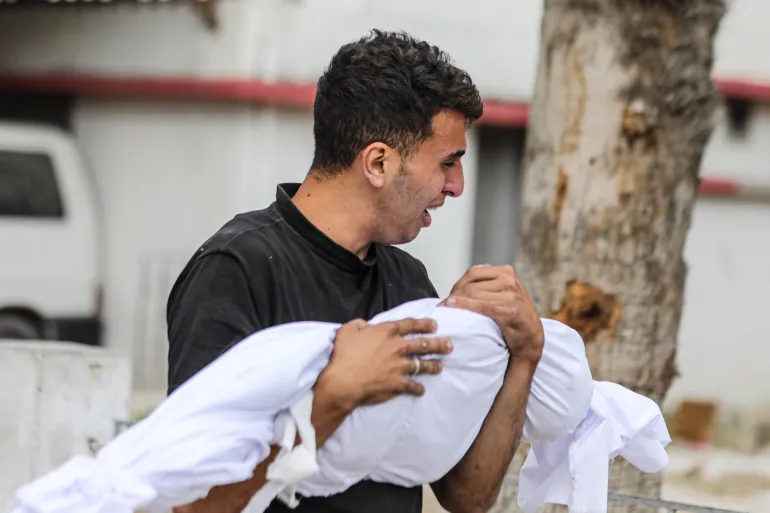
Netanyahu’s approach to post-conflict situations in Gaza has typically involved a combination of military deterrence, diplomatic maneuvering, and humanitarian aid efforts. Following previous conflicts, Israel has aimed to degrade the capabilities of Hamas and other militant groups, while also seeking to mitigate civilian suffering and garner international support for its actions.
On the military front, Israel often conducts targeted airstrikes to destroy Hamas infrastructure, weapons caches, and rocket launch sites. This is done with the aim of weakening Hamas’s ability to launch attacks against Israeli targets in the future.
Diplomatically, Netanyahu’s government has engaged in efforts to isolate Hamas internationally and secure support from key allies, particularly the United States. This involves portraying Israel’s actions as necessary for self-defense against terrorism and garnering diplomatic backing for its military operations.
Additionally, Israel has often coordinated with international organizations and aid agencies to provide humanitarian assistance to the people of Gaza, particularly in the form of medical supplies, food aid, and reconstruction efforts. While Israel maintains a blockade on Gaza to restrict the flow of weapons and materials that could be used for military purposes, it has also allowed humanitarian aid to enter the territory under certain conditions.
Overall, Netanyahu’s strategy for the “day after” a conflict with Gaza likely involves a combination of military, diplomatic, and humanitarian measures aimed at consolidating Israel’s security interests while minimizing the humanitarian impact of the conflict on the civilian population of Gaza.
To read more detailed coverage check out the source of this news: