
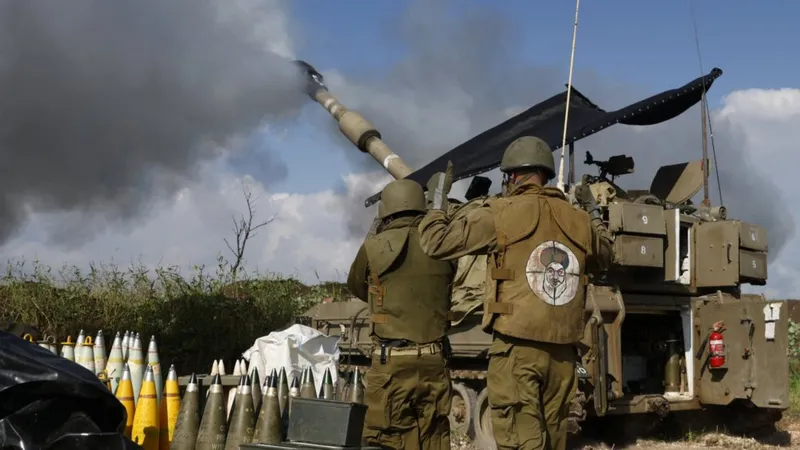
A letter endorsed by over 130 parliamentarians addressed to Foreign Secretary David Cameron highlights recent actions taken by other nations, notably Canada, which declared a cessation of all arms exports to Israel last week, as reported by The Guardian.
Shadow Foreign Secretary David Lammy has joined the chorus of voices urging the government to disclose the legal advice it has received regarding the potential breach of international humanitarian law by Israel. Such a breach would typically prompt a suspension of UK arms sales.
Coordinated by Labour MP Zarah Sultana, the letter was signed by 107 MPs and 27 peers, including former Labour Middle East Minister Peter Hain, SNP Westminster leader Stephen Flynn, former Shadow Minister Jess Phillips, former Labour leader Jeremy Corbyn, and Conservative peer Nosheena Mobarik. Additional signatories include former Foreign Office Permanent Secretary John Kerr and former Labour Minister Tessa Blackstone. Nearly the entire SNP parliamentary party and 46 Labour MPs have supported the call.
The letter asserts that maintaining “business as usual” in UK arms exports to Israel is unacceptable, particularly in light of reports that UK-made arms have been used in Gaza. It references a recent UN investigation implicating a UK-part manufactured F-16 fighter jet in the bombing of British doctors in Gaza.
The letter underscores that during previous escalations of conflict in Gaza, UK governments have suspended arms sales to Israel. However, despite the significantly heightened level of violence by the Israeli military, the UK government has failed to take similar action.
This letter follows the unexpected UN Security Council vote on Monday, demanding an immediate ceasefire, a resolution rejected by Israeli Prime Minister Benjamin Netanyahu. Netanyahu’s response included the cancellation of a planned Israeli delegation visit to Washington after the US abstained from voting on the resolution. While the US deemed the resolution non-binding, the UK does not share that interpretation.
While Cameron has intensified his criticism of Israel in recent weeks, ministers argue that the decision on arms sales involves a complex legal assessment considering various factors, including Israel’s efforts to minimize civilian casualties. Some criticisms from the Foreign Secretary have implicitly suggested that Israel, as the occupying power, is failing to fulfill its duty under international law to provide food and water to Palestinian civilians.
Numerous human rights and aid organizations, including Oxfam, Save the Children, Christian Aid, Amnesty International, and Islamic Relief, have also called for the suspension of arms licenses.
Sultana emphasized the urgent need for the UK government to uphold the rights of the Palestinian people, echoing the sentiments expressed by the cross-party parliamentarians in the letter.
Katie Fallon, the advocacy manager at Campaign Against the Arms Trade, criticized the government’s response to calls for an arms sales ban, accusing them of evading MPs’ questions, providing vague answers, and avoiding definitive acknowledgment of the risk posed by arms exports to Israel violating international humanitarian law.