
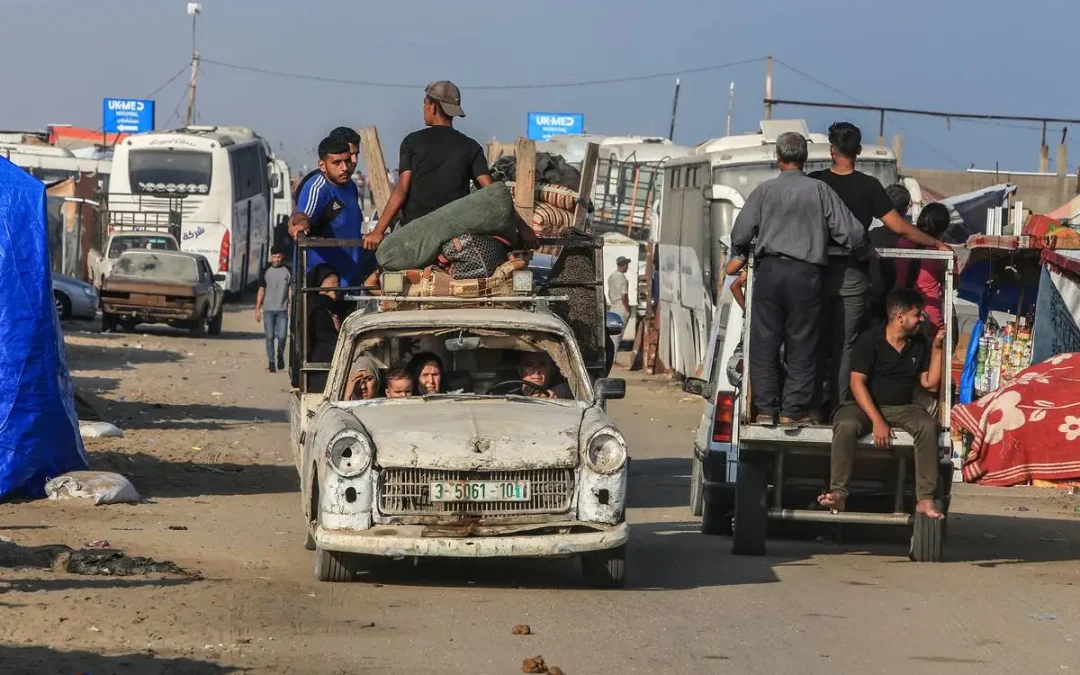
The displacement of 60,000 more Palestinians from Rafah in a single night, as reported by the United Nations, underscores the severe humanitarian crisis unfolding in Gaza. Here are some key points and implications of this development:
Humanitarian Impact
- Mass Displacement: The sudden displacement of such a large number of people exacerbates the already dire situation in Gaza. Many displaced individuals and families face immediate needs for shelter, food, water, and medical care.
- Overcrowded Shelters: Existing shelters and temporary accommodations are likely overwhelmed, leading to overcrowded and unsanitary conditions, increasing the risk of disease outbreaks.
- Basic Necessities: There is an urgent need for basic necessities such as food, clean water, and hygiene products. Displaced people may have limited access to these essentials, leading to further health and safety concerns.
Infrastructure and Services
- Healthcare Strain: Local healthcare facilities may be unable to cope with the influx of displaced persons needing medical attention, both for injuries related to the conflict and other health issues.
- Damage to Infrastructure: Continued hostilities often result in significant damage to infrastructure, including homes, schools, and hospitals, making it difficult for displaced persons to find safe and adequate shelter.
Psychological and Social Impact
- Trauma: The psychological trauma of being forcibly displaced, often repeatedly, can have long-term mental health consequences, particularly for children.
- Social Disruption: Displacement disrupts social networks and community structures, leading to isolation and a breakdown in communal support systems.
International Response
- Humanitarian Aid: International organizations, including the UN, and various NGOs will need to ramp up their aid efforts to address the urgent needs of the displaced population.
- Funding and Resources: Increased displacement requires more funding and resources to provide immediate relief and support long-term recovery efforts.
- Diplomatic Efforts: The international community may need to increase diplomatic efforts to secure ceasefires and ensure safe humanitarian corridors for the delivery of aid.
Long-term Implications
- Rebuilding Efforts: The scale of displacement underscores the need for extensive rebuilding efforts once the conflict subsides. This includes rebuilding homes, schools, and other critical infrastructure.
- Sustainable Solutions: There is a pressing need for sustainable solutions to address the root causes of displacement and conflict. This includes political solutions, economic development, and social support programs.
Conclusion
The displacement of 60,000 Palestinians from Rafah in a single night highlights the urgent humanitarian needs and the severe impact of the ongoing conflict. Immediate and coordinated international response is crucial to address the needs of the displaced population and mitigate the broader humanitarian crisis. Long-term solutions are also necessary to ensure stability and prevent further displacement and suffering in the future.
To read more detailed coverage check out the source of this news:
https://www.middleeastmonitor.com/20240622-gazas-rafah-turned-into-war-zone-by-israel-mayor/