
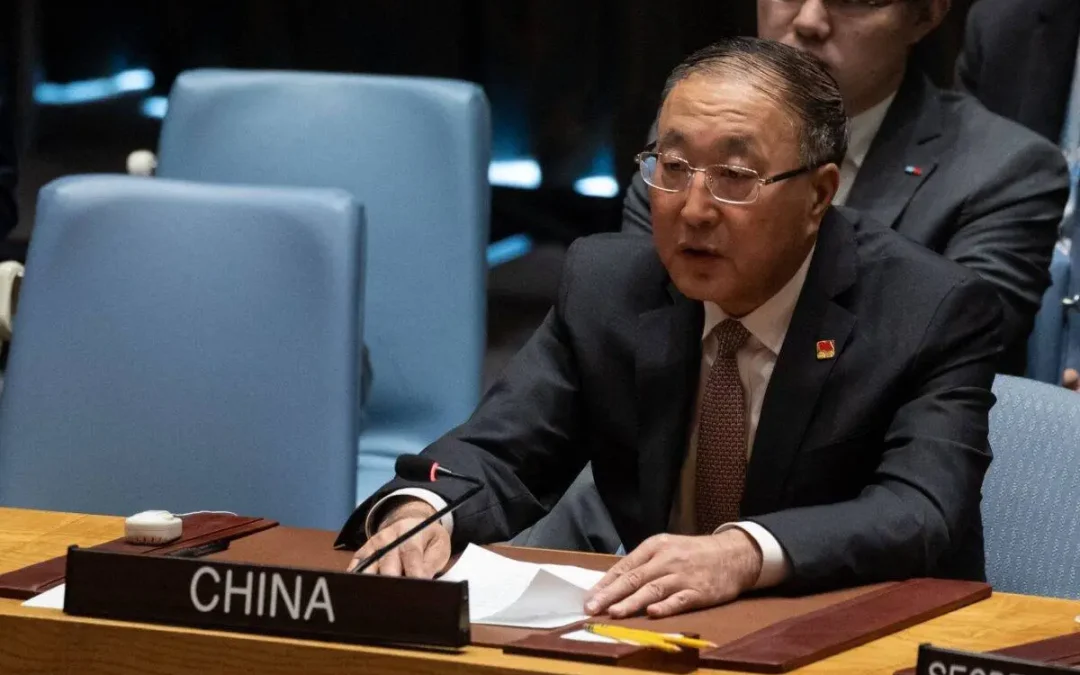
A representative from China has criticized a draft resolution proposed by the United States at the United Nations Security Council (UNSC), claiming it effectively greenlights further killings in Gaza. This statement reflects significant geopolitical tensions and differing perspectives on the appropriate international response to the ongoing conflict in Gaza.
Key Points of the Criticism
- Perpetuation of Violence: The Chinese representative argued that the US draft resolution does not adequately address the root causes of the conflict or provide effective measures to ensure an immediate ceasefire, thereby allowing continued violence and casualties.
- Imbalance in the Resolution: The criticism suggests that the resolution is biased, failing to hold all parties accountable and disproportionately supporting one side. This imbalance is seen as undermining efforts to achieve a fair and lasting peace.
- Insufficient Humanitarian Measures: The Chinese representative emphasized that the resolution lacks robust provisions for humanitarian aid and protection for civilians in Gaza, who are suffering from the dire consequences of the conflict.
- International Law and Human Rights: The critique includes concerns that the US draft resolution does not sufficiently enforce adherence to international humanitarian law and human rights standards, which are crucial for protecting civilians and ensuring accountability.
Context and Background
- US Draft Resolution: The specifics of the US draft resolution are not detailed in the statement, but it likely includes measures aimed at addressing the conflict in Gaza. However, the perceived shortcomings have sparked criticism from various international actors.
- Ongoing Conflict: The conflict in Gaza has resulted in significant loss of life, destruction of infrastructure, and a humanitarian crisis. Previous attempts at ceasefire and peace negotiations have faced numerous challenges, with international actors often divided on the best approach.
Reactions and Implications
- China’s Position: China’s stance highlights its call for a more balanced and comprehensive approach to resolving the conflict. This includes immediate cessation of hostilities, protection of civilians, and ensuring humanitarian aid access.
- Geopolitical Tensions: The criticism of the US draft resolution underscores broader geopolitical tensions and differing perspectives within the UNSC. These differences can complicate efforts to reach a consensus on addressing the conflict.
- Potential Impact on Negotiations: The disagreement over the US draft resolution may affect ongoing negotiations at the UNSC. Achieving a resolution that satisfies all key players and effectively addresses the conflict requires overcoming these divisions.
Conclusion
The statement by China’s representative regarding the US draft resolution at the UNSC reflects deep concerns about the adequacy and impartiality of proposed measures to address the Gaza conflict. This critique underscores the need for a balanced approach that ensures an immediate ceasefire, protects civilians, and facilitates humanitarian aid, while adhering to international law. The ongoing debates and negotiations at the UNSC will be crucial in shaping the international community’s response to the crisis in Gaza.
To read more detailed coverage check out the source of this news: