
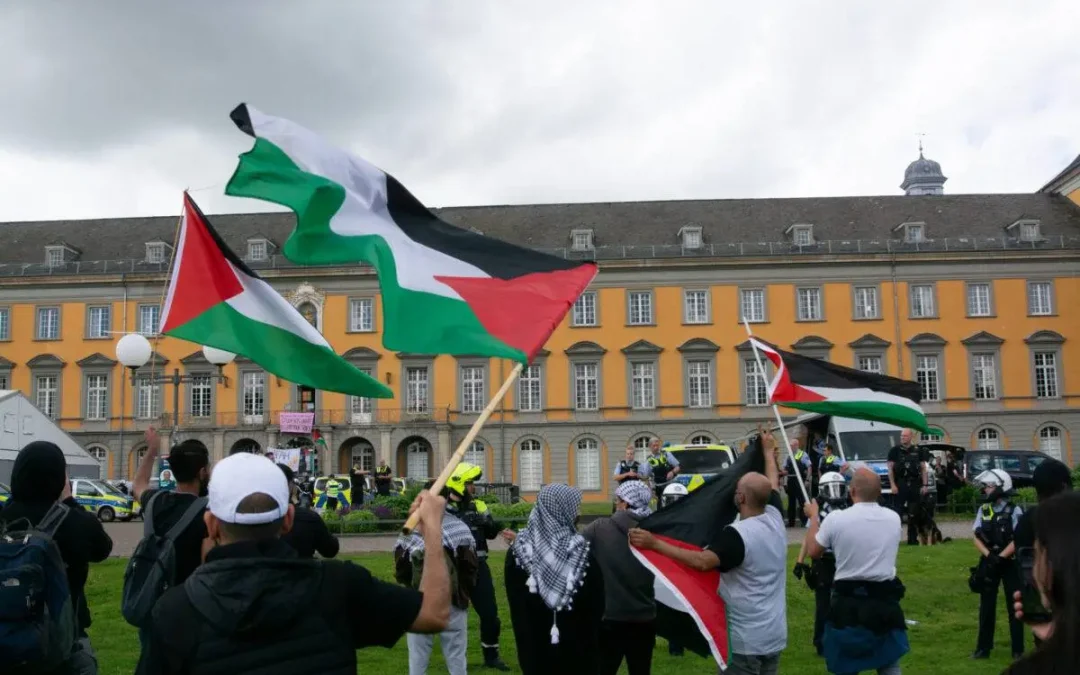
Recent developments indicate that Germany might be reassessing its stance on Israel following the offensive in Rafah. This shift could have significant implications for German-Israeli relations and the broader geopolitical landscape.
Key Factors Influencing the Shift
- Humanitarian Concerns: Germany has expressed growing concern over the humanitarian impact of Israel’s military actions in Rafah, particularly regarding civilian casualties and the displacement of people. German officials have emphasized the importance of protecting civilian lives and ensuring access to humanitarian aid.
- International Law and Human Rights: There has been increased scrutiny within Germany on whether Israel’s actions comply with international humanitarian law and human rights standards. Calls for accountability and adherence to legal norms are influencing public opinion and political discourse.
- Domestic and International Pressure: Germany faces pressure both domestically and from international partners to take a more critical stance on Israel’s actions. Public protests, advocacy by human rights organizations, and diplomatic interactions with other nations are contributing to this pressure.
- Diplomatic Balance: While Germany has traditionally been a strong supporter of Israel, balancing this support with its commitment to human rights and international law is becoming more challenging. Germany’s diplomatic strategy may be evolving to reflect a more nuanced approach.
Possible Changes in Germany’s Approach
- Stronger Condemnations: Germany may issue stronger statements condemning specific actions by Israel, particularly those resulting in high civilian casualties or perceived violations of international law.
- Policy Adjustments: There could be adjustments in Germany’s foreign policy, including reconsidering military and economic support to Israel. This might involve stricter conditions on aid and cooperation based on adherence to humanitarian principles.
- Support for Peace Initiatives: Germany might increase its support for international peace initiatives and diplomatic efforts aimed at resolving the Israeli-Palestinian conflict. This includes backing for UN resolutions and engaging in multilateral forums to advocate for a ceasefire and humanitarian relief.
- Enhanced Humanitarian Aid: Germany is likely to boost its humanitarian aid to Palestinians affected by the conflict, focusing on relief efforts in Gaza and other impacted areas. This aid could be coordinated with international organizations to ensure effective delivery.
Broader Implications
- German-Israeli Relations: Any shift in Germany’s stance will impact its relationship with Israel. While Germany remains committed to Israel’s security, a more critical approach may strain diplomatic ties.
- EU Dynamics: Germany’s position could influence the broader European Union’s policy towards Israel and Palestine. As a leading EU member, Germany’s actions often set precedents for collective EU stances.
- Middle East Peace Process: Germany’s evolving stance could contribute to renewed efforts towards a peaceful resolution of the conflict. By advocating for a balanced approach that addresses both security and humanitarian concerns, Germany could play a pivotal role in mediating peace talks.
Conclusion
Germany appears to be re-evaluating its stance on Israel following the Rafah offensive, driven by humanitarian concerns, international law, and domestic pressures. While the extent of this shift remains to be seen, it signals a potential move towards a more balanced approach in addressing the complexities of the Israeli-Palestinian conflict. This evolving stance could have significant implications for German-Israeli relations and the broader geopolitical dynamics in the region.
To read more detailed coverage check out the source of this news: