
Indian students have increasingly been showing their support for Palestine while opposing the pro-Israel stance of the Indian government. This trend reflects broader global sentiments and highlights the diverse perspectives within India’s vibrant student community.
Key Points of the Movement
- Expressions of Solidarity: Indian students have organized various forms of protest and solidarity actions, including rallies, sit-ins, and social media campaigns. These activities aim to draw attention to the plight of Palestinians and advocate for their rights.
- Criticism of Government Stance: The students criticize the Indian government’s growing diplomatic and economic ties with Israel, viewing this alignment as inconsistent with India’s historical support for the Palestinian cause. They argue that the government’s position does not reflect the views of many Indian citizens.
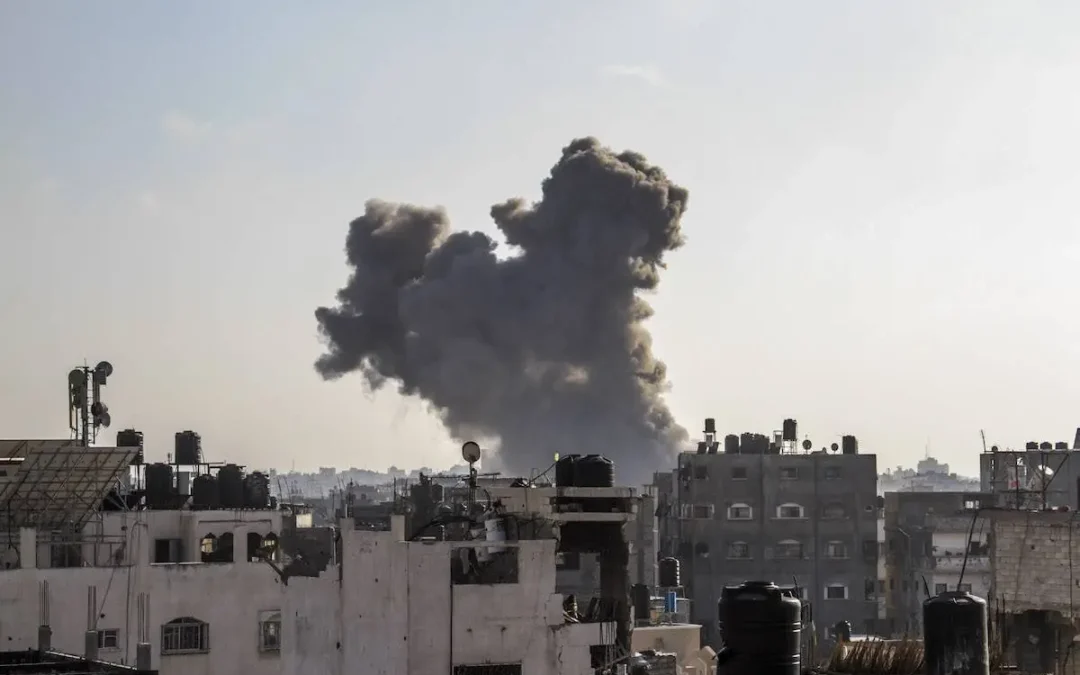
- Human Rights Focus: The student movements emphasize human rights issues, condemning the violence and humanitarian crises in Gaza and other Palestinian territories. They call for an end to the occupation and advocate for a just and peaceful resolution to the conflict.
- Educational Institutions’ Role: Several universities and educational institutions have become centers of activism. Student unions and campus organizations play a significant role in mobilizing support and organizing events related to the Palestinian cause.
- Social Media and Global Networks: Indian students are leveraging social media platforms to connect with global movements and amplify their message. They are part of a larger international network of pro-Palestine advocacy, which includes students from various countries.
Broader Context and Reactions
- Historical Ties: Historically, India has been a strong supporter of the Palestinian cause, aligning with the broader Non-Aligned Movement. However, recent years have seen a strategic shift towards closer relations with Israel, driven by economic, military, and technological cooperation.
- Government Response: The Indian government has maintained its diplomatic stance, balancing its strategic interests with its historical support for Palestine. Officials often reiterate their commitment to a two-state solution while deepening ties with Israel.
- Public Opinion: There is a spectrum of opinions within India regarding the Israel-Palestine conflict. While some segments support the government’s pro-Israel stance due to economic and strategic reasons, others, particularly younger generations and academic circles, express strong support for Palestinian rights.
- International Reactions: The student-led movements in India resonate with global protests and solidarity actions for Palestine. International human rights organizations and pro-Palestine groups often acknowledge and support these efforts.
Potential Impacts
- Influence on Policy: Sustained student activism could influence public opinion and potentially impact government policies over time. While immediate policy changes may be unlikely, the pressure from grassroots movements can shape long-term diplomatic strategies.
- Awareness and Education: The activism helps raise awareness about the complexities of the Israel-Palestine conflict among the Indian public. Educational institutions play a crucial role in fostering critical discussions and informed perspectives on international issues.
- Global Solidarity: Indian students’ involvement in the pro-Palestine movement strengthens global solidarity networks, contributing to a more unified international advocacy for Palestinian rights.
Conclusion
The increasing support for Palestine among Indian students and their opposition to the pro-Israel stance of the Indian government highlight the dynamic and diverse nature of political activism in India. This movement reflects broader global trends and underscores the importance of grassroots advocacy in shaping public discourse and influencing policy. As these students continue to raise their voices, they contribute to the ongoing international dialogue on human rights and justice in the Israel-Palestine conflict.
To read more detailed coverage check out the source of this news: