
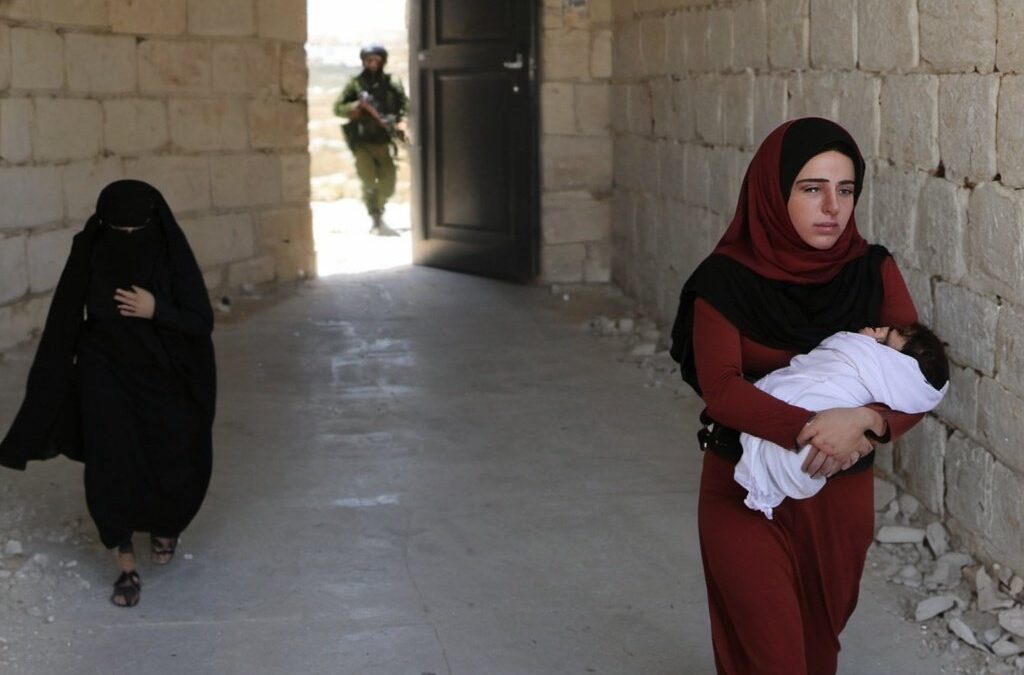
Palestinian women and girls have long endured the harrowing reality of sexual assault at the hands of Israeli forces, a grave violation of their basic human rights. This deeply troubling issue has garnered international attention, prompting UN experts to raise serious concerns about the widespread and systematic nature of these atrocities.
In the occupied Palestinian territories, reports of sexual violence perpetrated by Israeli forces against Palestinian women and girls have emerged with alarming frequency, shedding light on the pervasive culture of impunity that enables such abuses to persist unchecked.
The experiences of Palestinian women and girls subjected to sexual assault by Israeli forces are marked by trauma, fear, and a profound sense of vulnerability. These acts of violence not only inflict physical harm but also leave lasting psychological scars, shattering the fabric of communities already reeling from the impacts of occupation and conflict.
UN experts have underscored the urgent need for accountability and justice for victims of sexual violence, emphasizing that perpetrators must be held accountable for their crimes. However, the prevailing climate of impunity and lack of accountability within the Israeli military justice system exacerbates the plight of survivors, denying them access to justice and perpetuating cycles of abuse.
Moreover, the intersectional nature of gender-based violence compounds the challenges faced by Palestinian women and girls, who navigate intersecting forms of oppression and discrimination based on their gender, ethnicity, and nationality.
The systematic targeting of Palestinian women and girls for sexual violence by Israeli forces reflects a broader pattern of human rights violations and abuses perpetrated against the Palestinian population. These acts constitute a flagrant breach of international law, including international humanitarian law and human rights law, and must be unequivocally condemned by the international community.
Efforts to address the root causes of sexual violence against Palestinian women and girls must encompass comprehensive measures aimed at dismantling structures of oppression and discrimination, promoting gender equality, and ensuring the full realization of their rights.
The testimonies of survivors provide compelling evidence of the urgent need for action to end impunity for perpetrators of sexual violence and to provide meaningful redress and support to survivors. This includes access to comprehensive healthcare services, psychosocial support, legal assistance, and reparations.
UN agencies, international organizations, and civil society actors have a crucial role to play in advocating for the rights of Palestinian women and girls, amplifying their voices, and supporting initiatives aimed at addressing gender-based violence and promoting gender equality in the region.
Addressing the root causes of sexual violence against Palestinian women and girls requires addressing the broader context of occupation, militarization, and structural inequalities that perpetuate cycles of violence and oppression. This necessitates a holistic approach that addresses political, social, economic, and cultural factors contributing to gender-based violence.
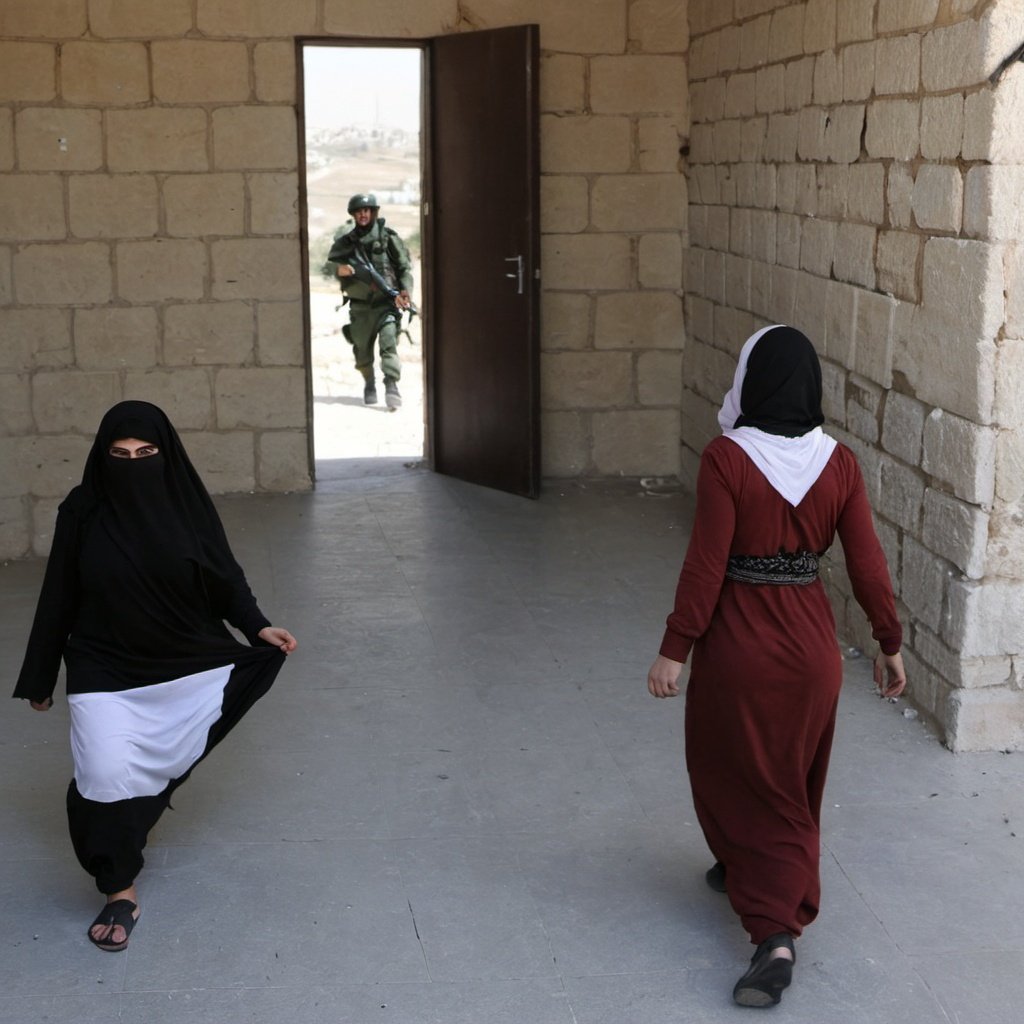
Furthermore, efforts to combat sexual violence must be intersectional and inclusive, recognizing the unique vulnerabilities and experiences of marginalized groups, including women with disabilities, LGBTQ+ individuals, refugees, and internally displaced persons.
International solidarity and support are crucial in advancing the rights of Palestinian women and girls and holding perpetrators of sexual violence accountable for their actions. This includes advocating for the implementation of UN resolutions and recommendations aimed at addressing gender-based violence and promoting the rights of Palestinian women and girls.
In conclusion, the prevalence of sexual violence against Palestinian women and girls by Israeli forces is a grave human rights violation that demands urgent attention and action. By amplifying the voices of survivors, holding perpetrators accountable, and addressing the root causes of gender-based violence, we can work towards building a more just and equitable future for all.