
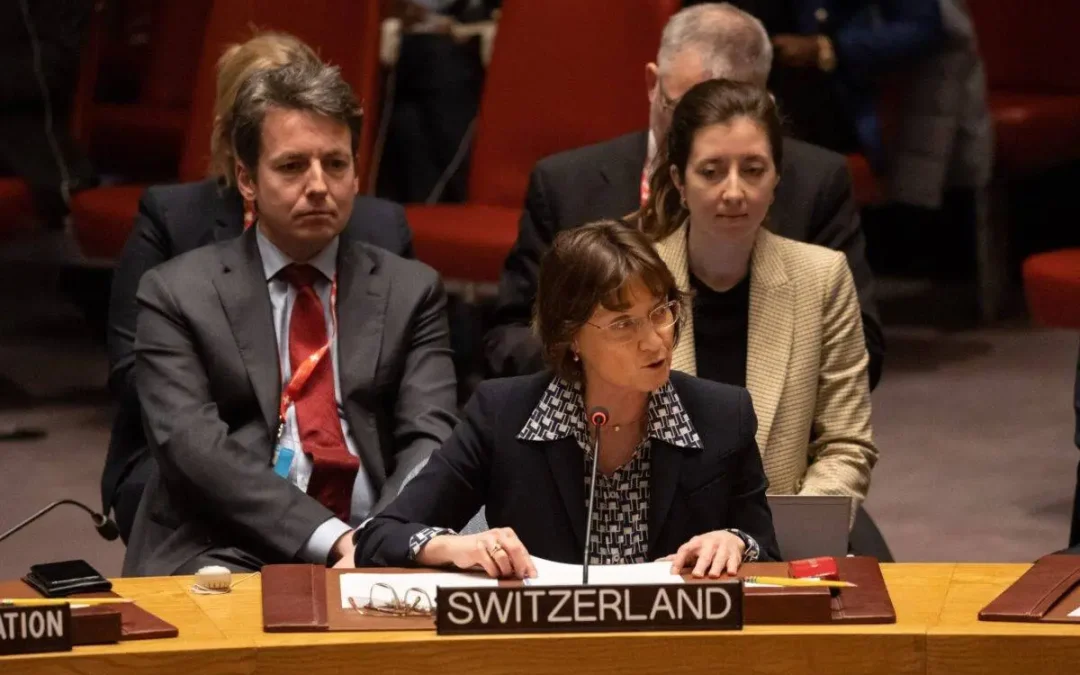
The adoption of a UN Security Council resolution on the protection of humanitarian and UN personnel signifies a significant step in international efforts to ensure the safety and security of those working in conflict zones and other dangerous environments. Here are the key aspects and implications of such a resolution:
- Purpose of the Resolution:
- Protection of Personnel: The primary aim is to enhance the safety of humanitarian workers and UN personnel who often operate in volatile and conflict-ridden areas, ensuring they can carry out their missions without undue risk.
- Legal and Operational Framework: The resolution would likely establish or reinforce legal and operational frameworks to protect these workers, holding states and non-state actors accountable for attacks against them.
- Context and Importance:
- Rising Threats: Humanitarian and UN personnel frequently face threats such as targeted attacks, kidnappings, and harassment. These threats impede their ability to provide essential services and carry out peacekeeping and development missions.
- Recent Incidents: Specific incidents where humanitarian workers or UN staff have been harmed or killed might have prompted this resolution, highlighting the urgent need for enhanced protections.
- Key Provisions:
- Accountability: The resolution would call for perpetrators of attacks against humanitarian and UN personnel to be brought to justice, reinforcing international legal standards.
- State Responsibilities: It emphasizes the responsibilities of host states to protect humanitarian and UN workers within their territories and to cooperate with international efforts to safeguard these individuals.
- Operational Measures: The resolution might include directives for improving the security measures of humanitarian and UN operations, such as better risk assessments, training, and emergency response protocols.
- International Support and Implementation:
- Global Consensus: The adoption of the resolution indicates a broad international consensus on the importance of protecting those who work to alleviate suffering and maintain peace in dangerous settings.
- Implementation Mechanisms: Effective implementation would require coordinated efforts among UN member states, humanitarian organizations, and international agencies to ensure that the provisions of the resolution are put into practice.
- Challenges and Considerations:
- Enforcement: One of the primary challenges will be ensuring compliance with the resolution, particularly in conflict zones where governance structures may be weak or non-existent.
- Resource Allocation: Adequate resources will be necessary to enhance protective measures, including funding for security training, infrastructure, and emergency response capabilities.
- Impact on Humanitarian Operations:
- Enhanced Security: If effectively implemented, the resolution should lead to improved security for humanitarian and UN personnel, enabling them to operate more safely and effectively.
- Operational Efficiency: Greater security can enhance the overall efficiency and effectiveness of humanitarian operations, as workers can focus more on their missions rather than their personal safety.
In summary, the UN Security Council’s adoption of a resolution on the protection of humanitarian and UN personnel represents a critical step towards safeguarding those who work in some of the most challenging and dangerous environments. It underscores the international community’s commitment to upholding the safety and security of individuals who provide essential services and support in times of crisis and conflict.
To read more detailed coverage check out the source of this news: