
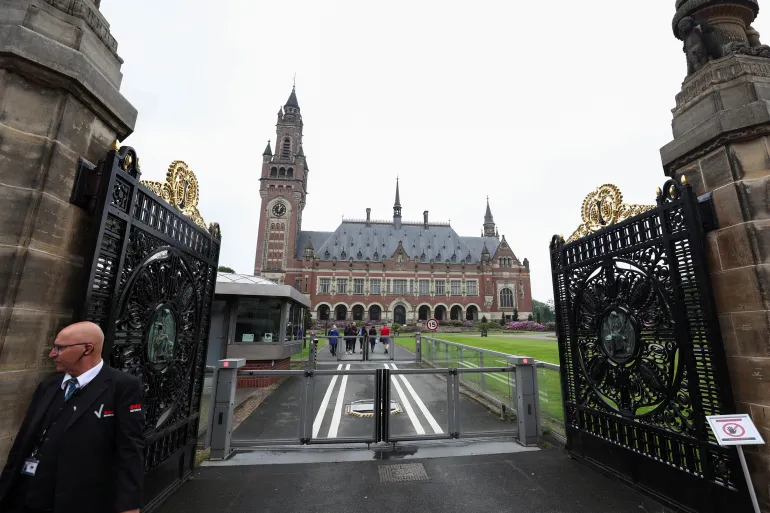
The International Court of Justice (ICJ), the principal judicial organ of the United Nations, has issued a ruling ordering Israel to end its offensive in Rafah. This decision underscores the court’s stance on the legality of military actions and the protection of civilians during conflicts.
Key aspects of the ruling include:
- Legal Basis: The ICJ’s ruling is based on international law, particularly humanitarian law and human rights law, which require the protection of civilians during armed conflicts and prohibit indiscriminate attacks.
- Immediate Ceasefire: The court’s order for Israel to end its Rafah offensive implies an immediate cessation of military activities in the area to prevent further civilian casualties and destruction.
- Humanitarian Access: The ruling likely includes provisions for ensuring humanitarian access to affected populations, allowing for the delivery of essential aid such as food, water, medical supplies, and shelter.
- Accountability: The ICJ’s decision may also call for investigations into alleged violations of international law, potentially leading to accountability measures for those responsible for unlawful actions.
- International Implications: As a significant legal and diplomatic development, the ruling could influence international opinion and pressure on Israel. It may also affect the policies of other nations regarding their support for or opposition to the conflict.
- Enforcement Challenges: While the ICJ’s ruling carries significant legal weight, its enforcement relies on the cooperation of UN member states and international bodies. The practical implementation of the ruling may face political and logistical challenges.
The ICJ’s order for Israel to end its Rafah offensive highlights the international community’s concern for the protection of civilians and adherence to international legal standards during armed conflicts. It underscores the importance of legal avenues for addressing and resolving such conflicts while emphasizing the need for immediate humanitarian relief and long-term peace efforts.
To read more detailed coverage check out the source of this news: