
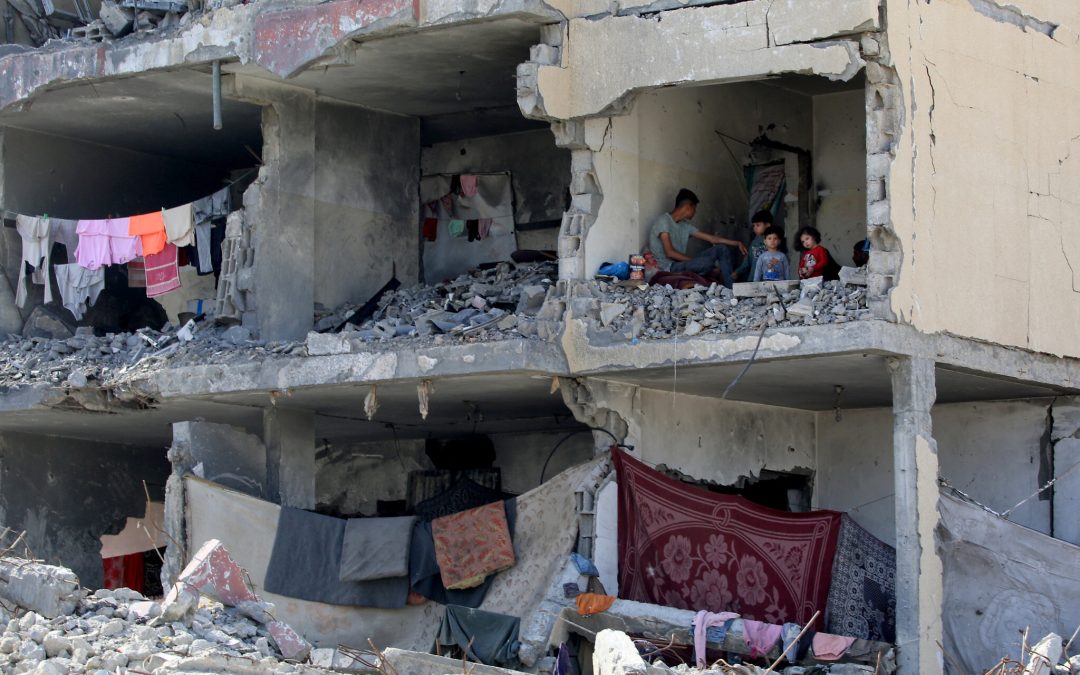
Biden Administration Weighs Formation of Postwar Gaza Peacekeeping Force
In the wake of ongoing violence and humanitarian crises in Gaza, the Biden administration is reportedly considering the formation of an international peacekeeping force to stabilize the region post-conflict. This initiative aims to facilitate a sustainable peace and to rebuild trust and security for the people of Gaza.

Objective of the Peacekeeping Force
The proposed peacekeeping force would have several key objectives:
- Ensure Security and Stability: The primary goal is to maintain peace and security in Gaza, preventing further outbreaks of violence and protecting civilians.
- Humanitarian Assistance: The force would facilitate the delivery of humanitarian aid, ensuring that essential supplies such as food, water, and medical care reach those in need.
- Support Reconstruction: It would aid in rebuilding infrastructure damaged during the conflict, including homes, schools, hospitals, and utilities.
- Foster Political Dialogue: The presence of an international force could help create a conducive environment for political negotiations between conflicting parties, aiming for a long-term resolution.
International Cooperation
The peacekeeping force would likely involve a coalition of international partners, including the United Nations, NATO, and various regional actors. The success of this initiative would depend on broad international support and cooperation, ensuring that the mission is perceived as neutral and legitimate by all parties involved.
Challenges and Considerations
Several challenges and considerations must be addressed for the peacekeeping force to be effective:
- Mandate and Rules of Engagement: Clearly defining the mission’s mandate and rules of engagement is crucial to avoid misunderstandings and to ensure the force can operate effectively.
- Local Support and Legitimacy: Gaining the trust and support of the local population and leaders in Gaza is essential for the peacekeeping force to function smoothly.
- Funding and Resources: Securing adequate funding and resources from the international community will be necessary to sustain the operation over time.
- Security Risks: The force must be prepared to handle security risks, including potential attacks from militant groups opposed to its presence.
Political Implications
The formation of a peacekeeping force in Gaza would have significant political implications. It represents a major step in the Biden administration’s foreign policy, emphasizing a commitment to international cooperation and conflict resolution. However, it also risks potential backlash from various stakeholders, including those who may view international intervention with skepticism.
Moving Forward
As discussions continue, the Biden administration is likely to engage in extensive diplomatic consultations with allies and regional partners to shape the peacekeeping mission. The decision to move forward with such a force will depend on a careful assessment of its feasibility, potential benefits, and risks.
In conclusion, while the proposal for a postwar Gaza peacekeeping force is still under consideration, it underscores a proactive approach to addressing one of the world’s most persistent conflicts. If implemented, it could pave the way for a more stable and peaceful future for Gaza and its residents.
To read more detailed coverage check out the source of this news: