
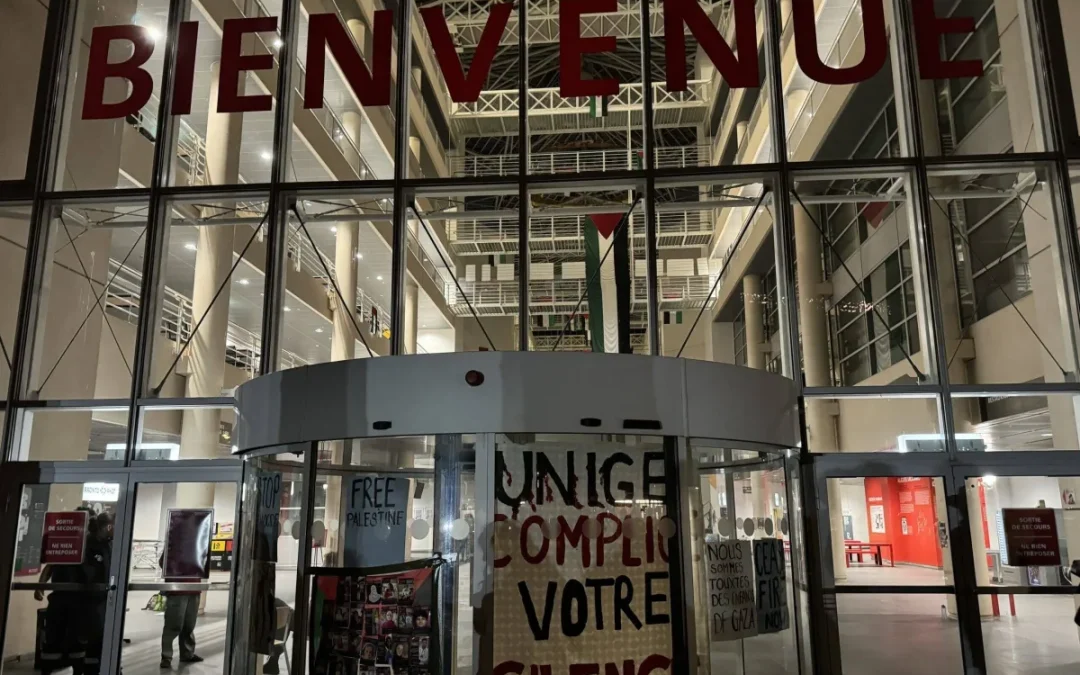
The forcible dispersal of a pro-Palestine student encampment at Geneva University by Swiss police highlights the tensions surrounding the Israeli-Palestinian conflict and freedom of expression. The incident underscores the challenges of balancing the right to peaceful protest with public order concerns.
It also raises questions about the role of authorities in managing demonstrations and ensuring the protection of civil liberties. The decision to intervene forcibly in the encampment reflects broader debates about the limits of free speech and the use of state power to suppress dissent.
The incident has sparked criticism from human rights advocates and supporters of the Palestinian cause, who argue that it infringes upon the students’ rights to express solidarity with Palestine. As such, it underscores the importance of upholding democratic values and respecting diverse perspectives, even in contentious and polarizing issues like the Israeli-Palestinian conflict.
The response of Swiss authorities to the encampment reflects the need for ongoing dialogue and engagement to address the underlying grievances and promote peaceful coexistence.
The dispersal of the pro-Palestine student encampment at Geneva University by Swiss police is emblematic of the broader global debate surrounding the Israeli-Palestinian conflict. It illustrates the complexities and sensitivities involved in expressing solidarity with Palestine, particularly in academic settings.
The actions taken by the authorities have sparked discussions about the limits of protest rights and the role of law enforcement in safeguarding public order. Critics argue that the forcible dispersal infringes upon the students’ freedom of expression and undermines their ability to peacefully advocate for their cause.
Furthermore, it underscores the need for constructive dialogue and engagement to address the root causes of the conflict and promote understanding and tolerance among diverse communities.
The incident serves as a reminder of the importance of upholding democratic values, including the right to peaceful assembly and protest, while also ensuring the safety and security of all individuals involved. It calls for a nuanced approach to managing expressions of political activism on university campuses, one that respects differing viewpoints and fosters a culture of open debate and mutual respect.
To read more detailed coverage check out the source of this news: