
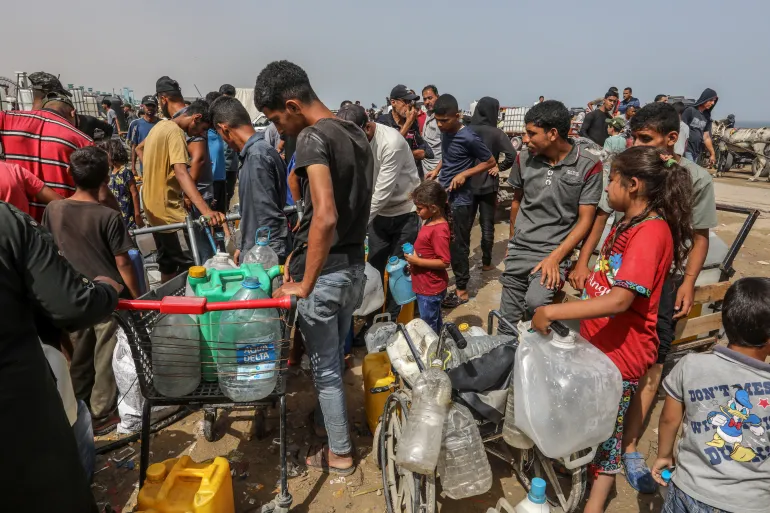
The UN report highlighting that displaced Palestinians are surviving on just 3% of their minimum daily water needs underscores a severe humanitarian crisis. This alarming statistic means that the affected individuals are receiving a mere fraction of the recommended water intake necessary for basic health and hygiene, which is typically around 100 liters per person per day according to WHO standards.
Key implications of this water scarcity include:
- Health Risks: Insufficient access to clean water leads to dehydration, poor sanitation, and a higher incidence of waterborne diseases.
- Hygiene Challenges: Lack of water compromises personal hygiene and cleanliness, increasing the risk of infections and communicable diseases.
- Livelihood Impact: Water scarcity affects agricultural activities and livestock, which are crucial for the livelihoods of many Palestinians.
- Human Rights Concerns: Access to water is a fundamental human right, and the severe shortage raises significant ethical and human rights issues.
Addressing this crisis requires immediate international attention and action to ensure that the basic water needs of displaced Palestinians are met. This includes increasing water supply through emergency aid, improving infrastructure, and addressing the broader political and environmental challenges that contribute to water scarcity in the region.
To read more detailed coverage check out the source of this news: